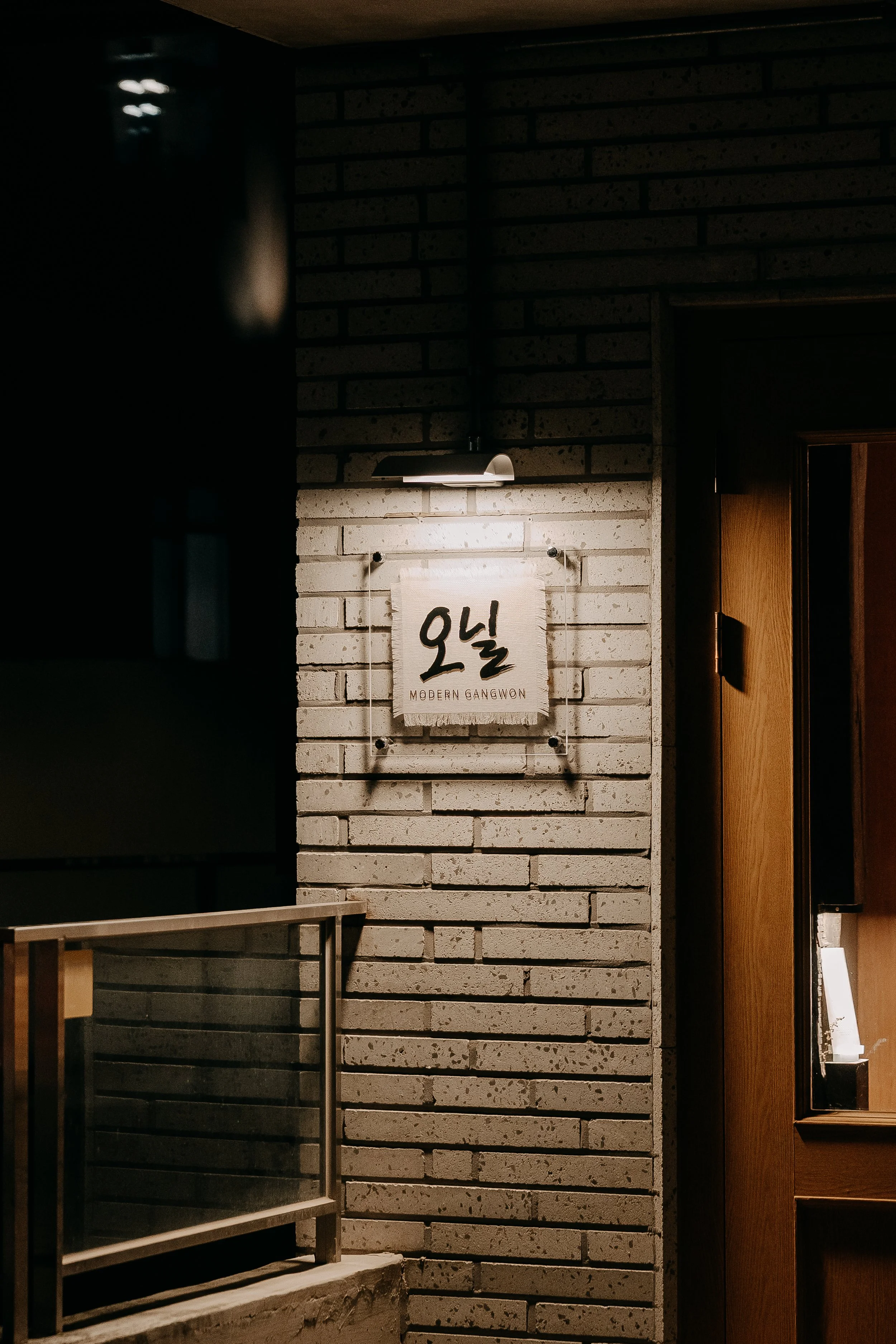
Onil (오닐) is a modern Korean fine-dining restaurant in Yongsan, Seoul, serving a ten-course tasting menu built almost entirely on ingredients from Gangwon-do: corn, buckwheat, gondre, trout, pine mushrooms, alongside Dokdo shrimp, hanwoo and East Sea cod. My husband and I had dinner there on a November evening, and because I photograph hotels and restaurants for a living, I brought my camera. Every image in this post was shot and edited by me.
This is a proper review, the food, the room, the service, but it is also a photographer's notebook. If you are deciding whether to book Onil, start with the courses. If you run a restaurant or hotel and are curious how a space like this translates to camera, the notes on light and tableware are for you.
Onil at a Glance
Where: Wonhyo-ro 83-gil, Yongsan-gu, Seoul, a short walk from Yongsan and Sinyongsan stations.
What: Modern Korean tasting menu, around ten courses, rooted in Gangwon-do produce.
Who: Chefs Choi In-gyu and Jin Yeon-jun, both former food stylists who came through CJ CheilJedang's Cuisine K programme.
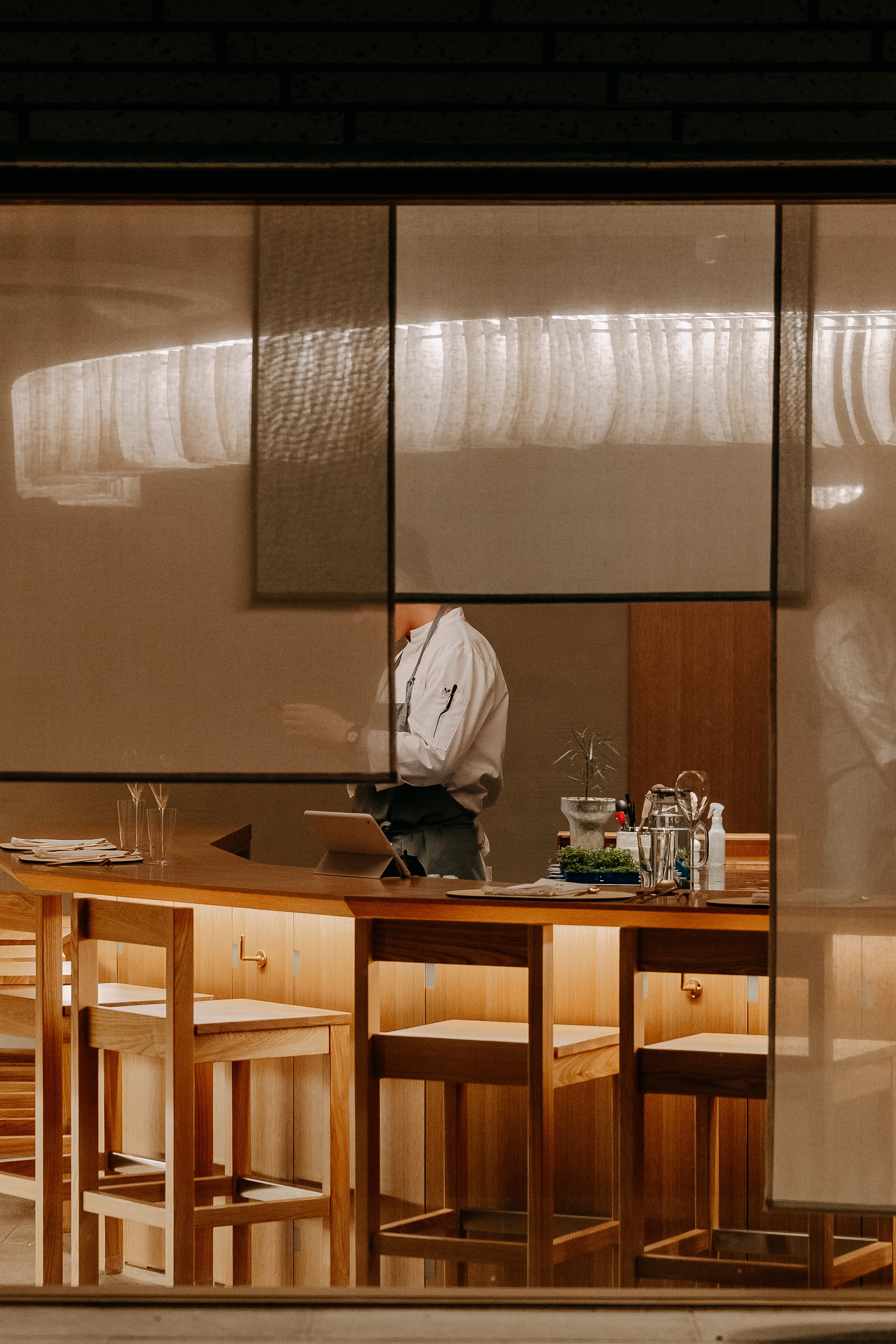
Seating: Counter seats facing an open kitchen, plus a few tables.
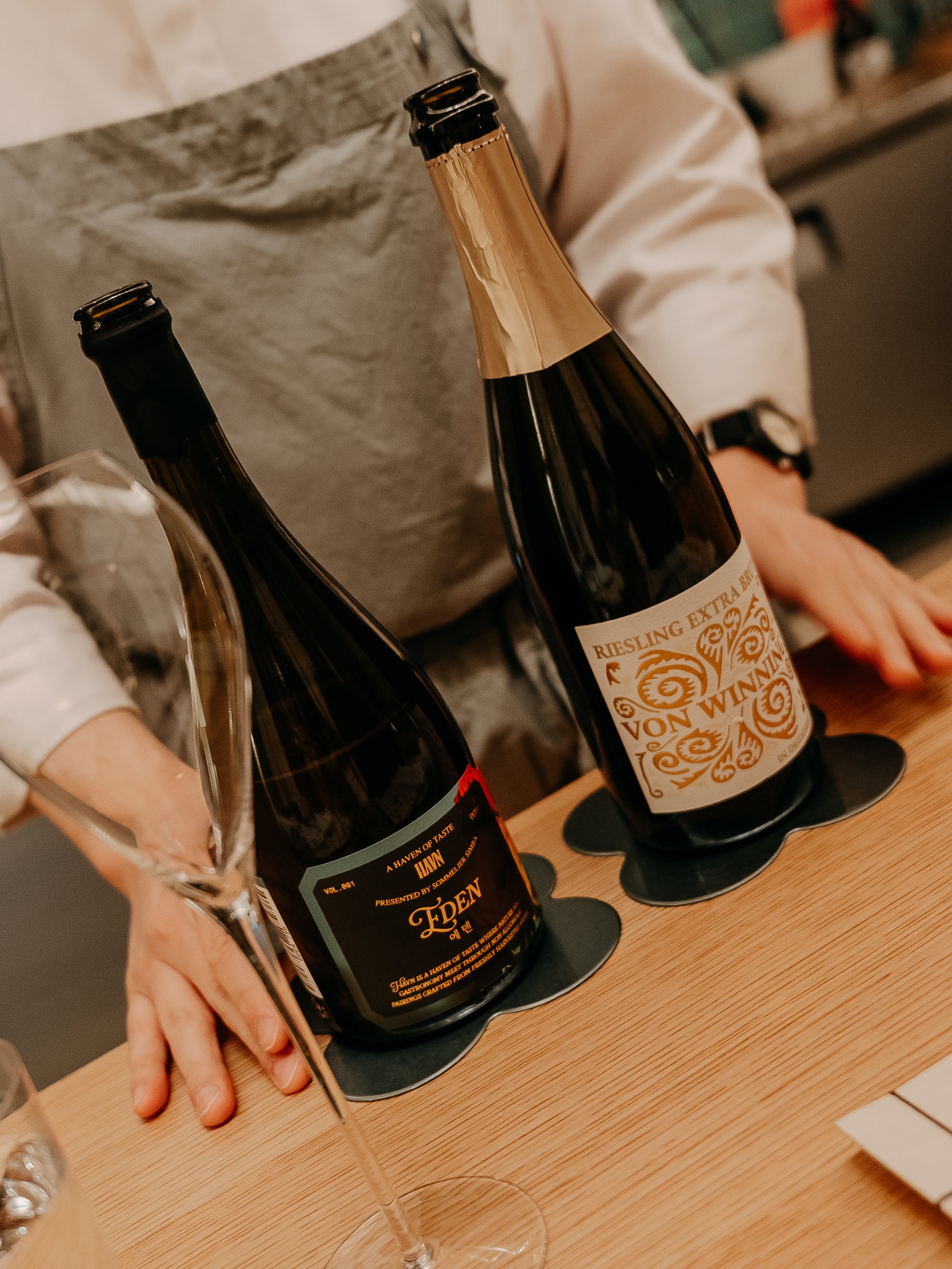
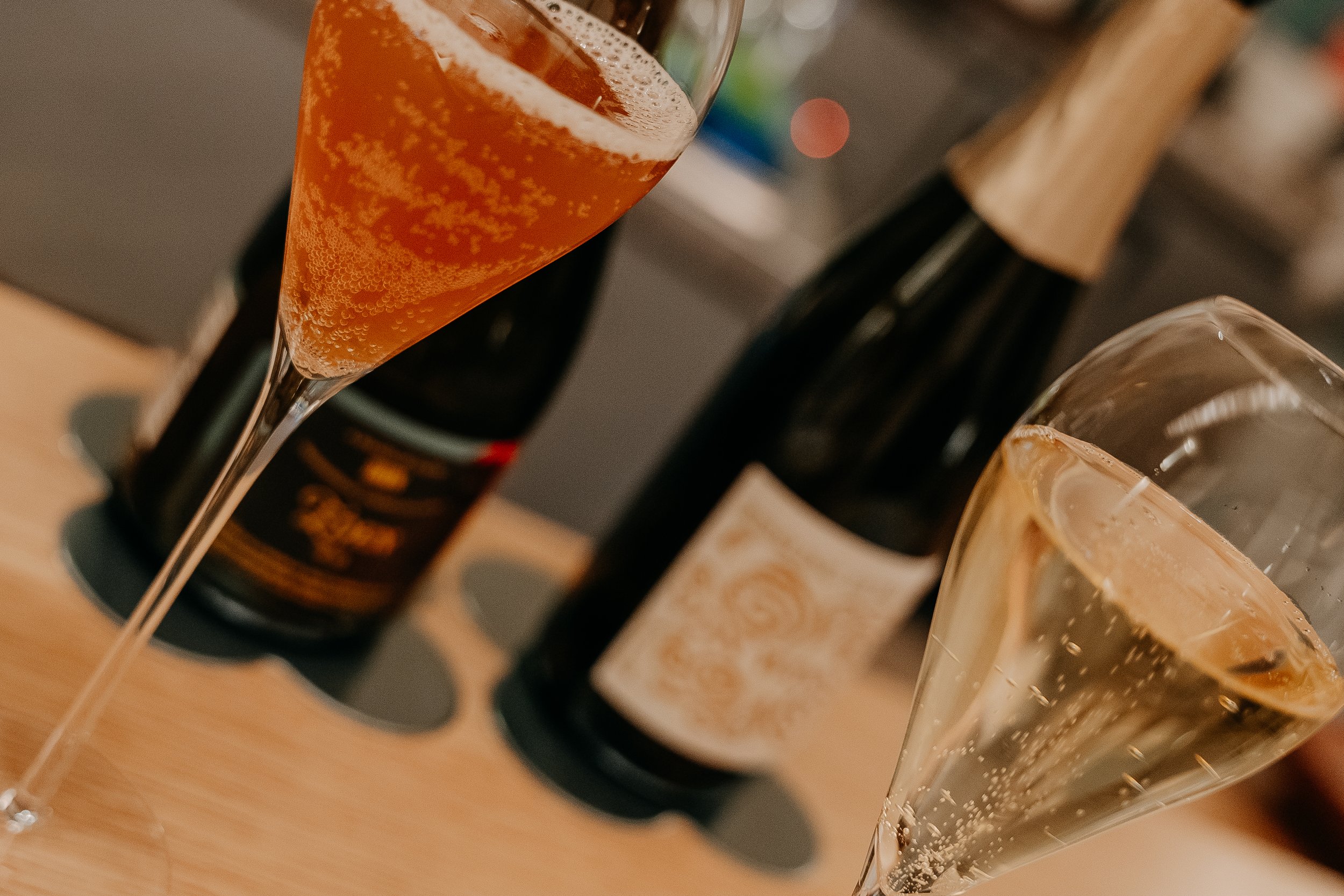
Drinks: Wine pairing available, with a non-alcoholic pairing on request.
Dietary: The kitchen will cook raw courses for pregnant guests and adapt for restrictions if told at booking.
Reservations: CatchTable.
The Room: Hanji, Odense and a Gangwon Potter
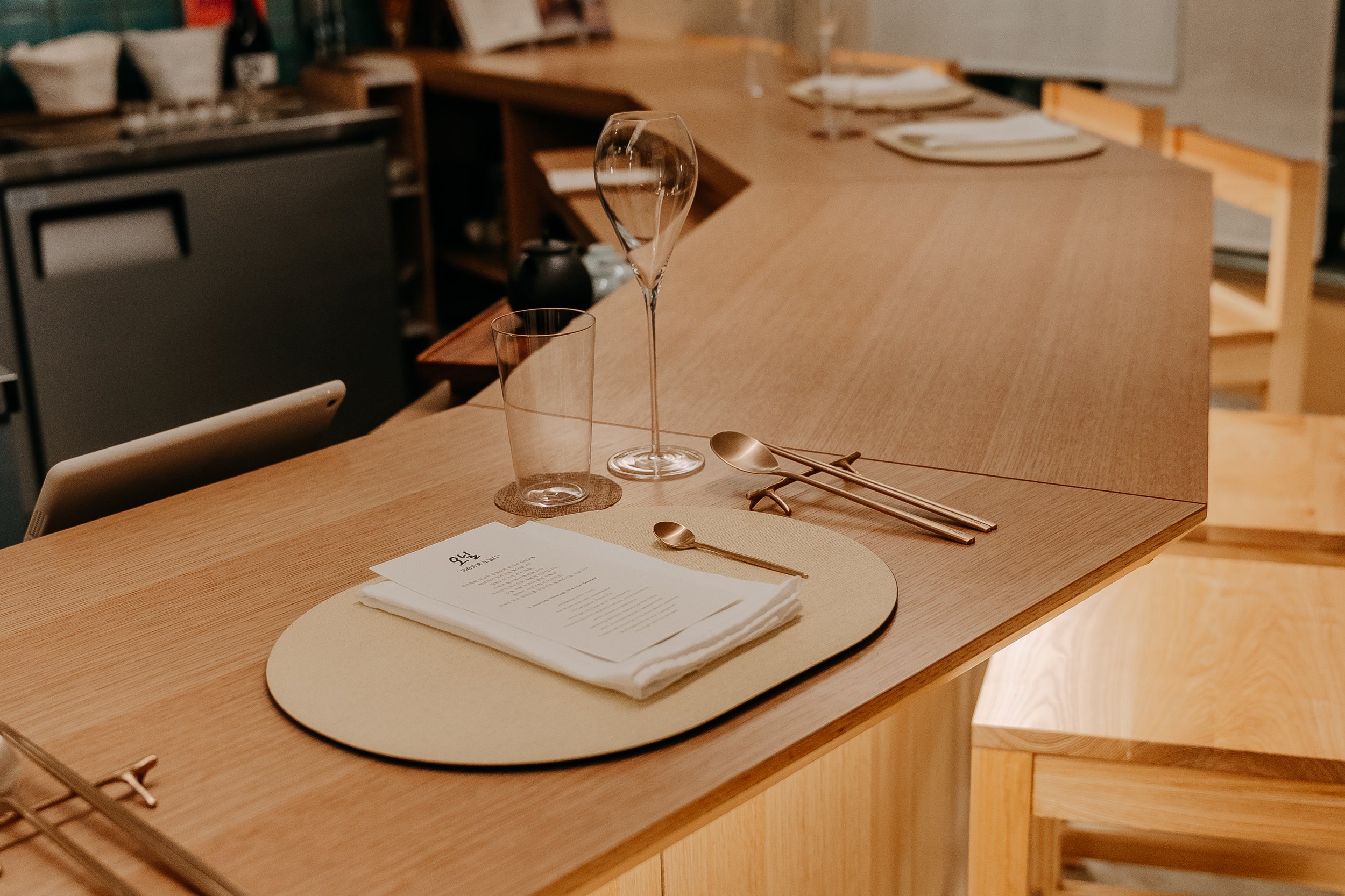
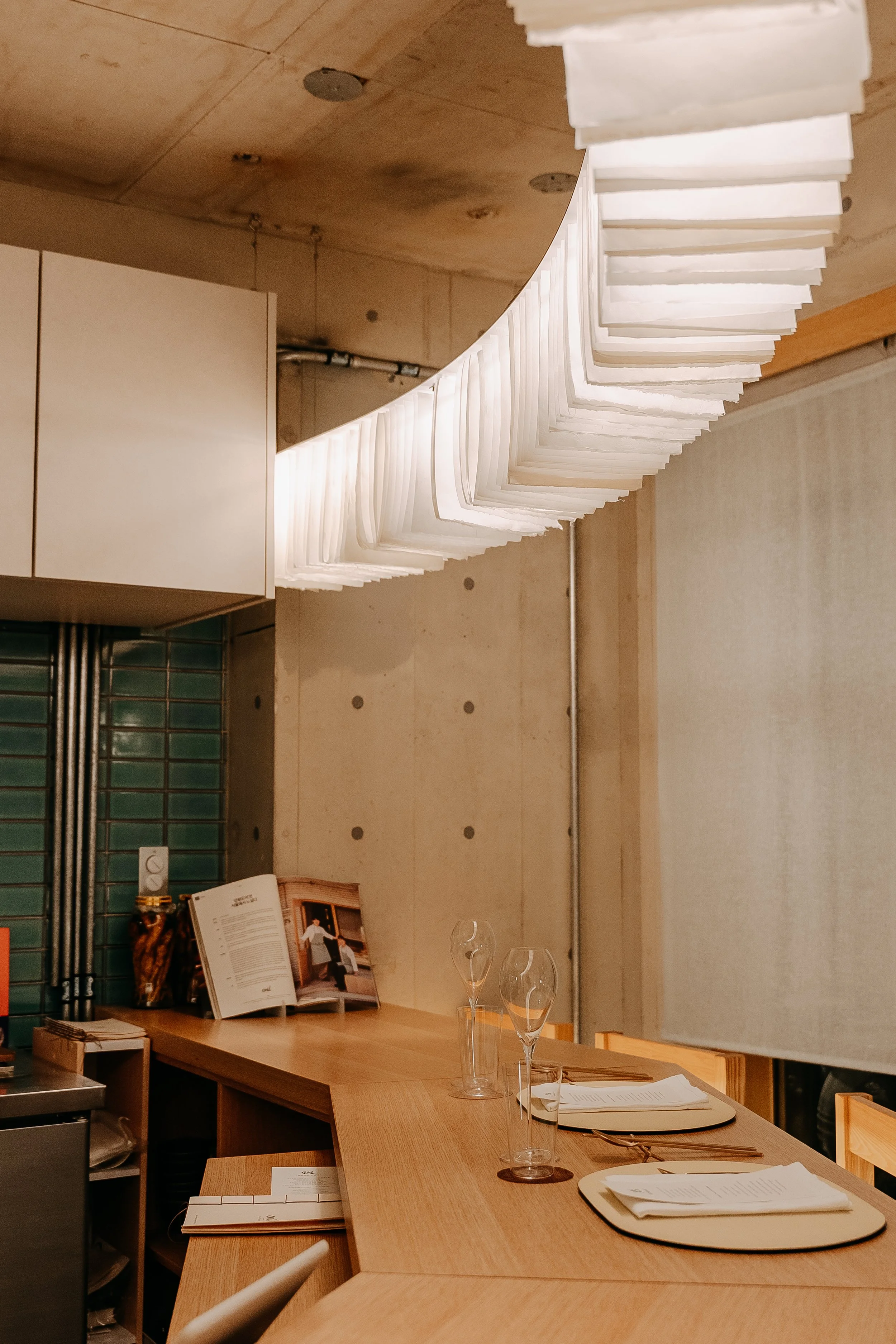
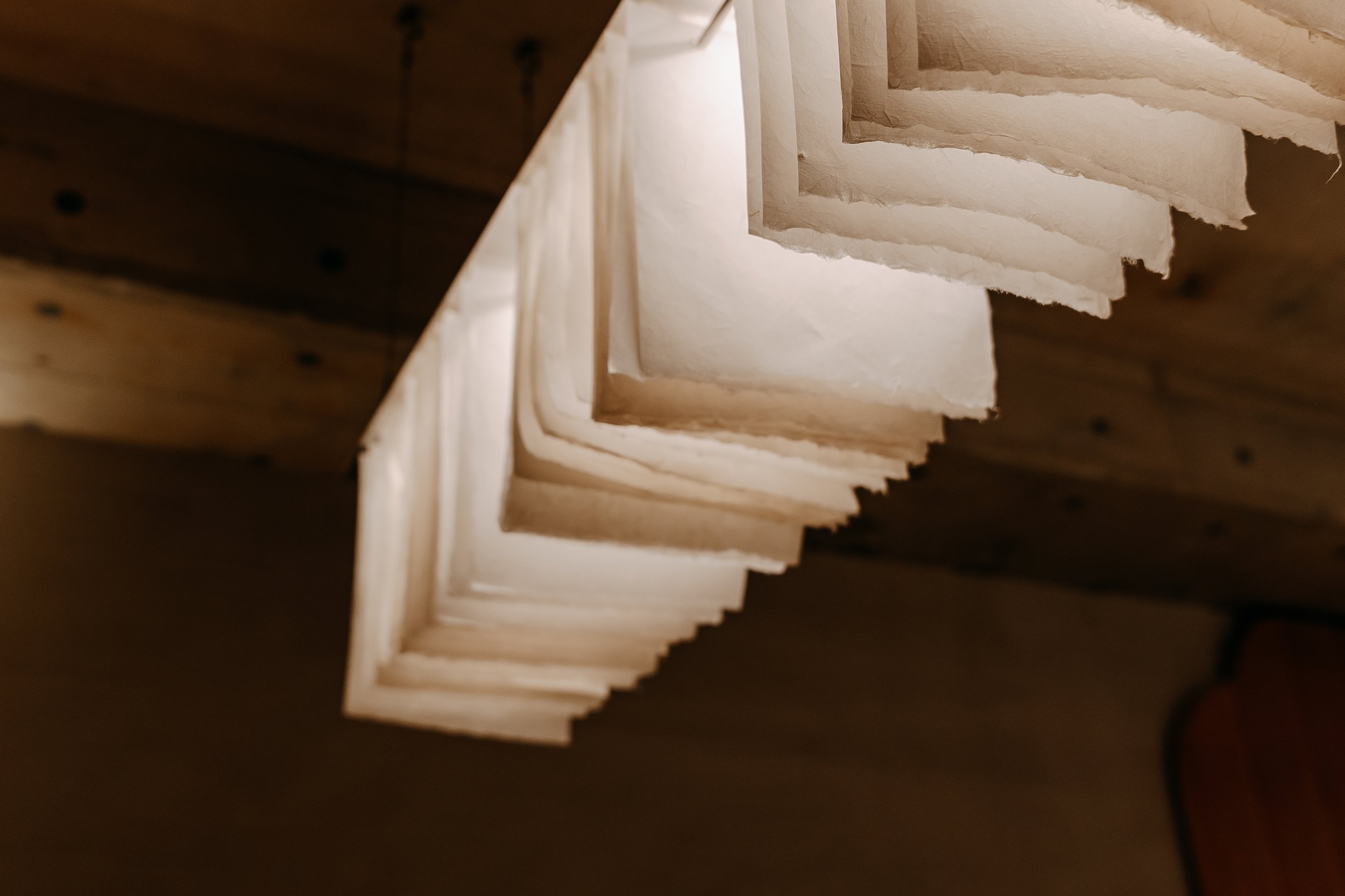
Before the first course, the space had already done half the work. Onil uses hanji, the mulberry paper Gangwon is famous for, as a recurring material: the pendant lights over the counter are folded hanji fans, and the soft, diffused glow they throw is the single biggest reason this room photographs so well. There are no harsh shadows anywhere. You could shoot the whole dinner without a flash and never miss it, which is exactly what I did.
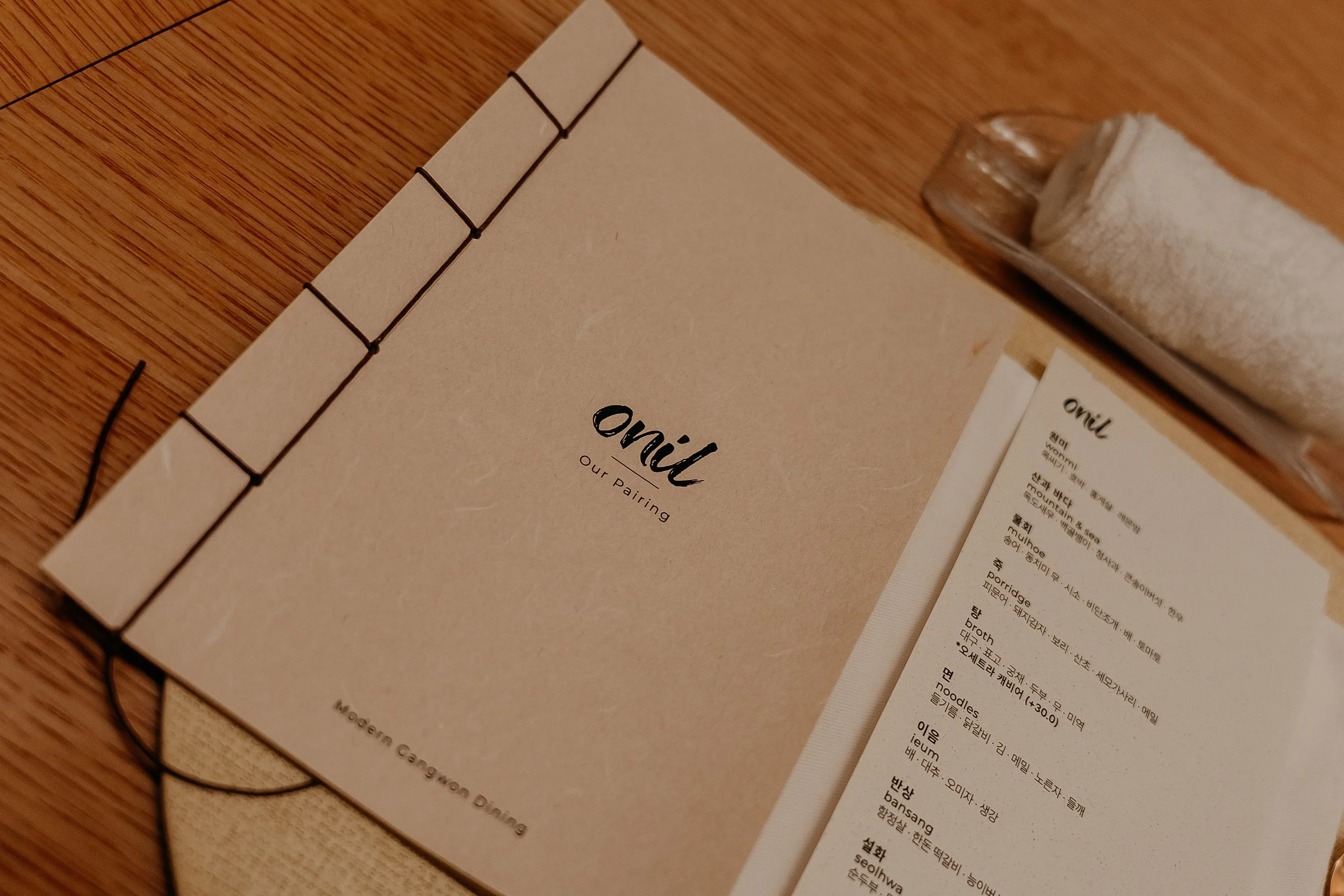
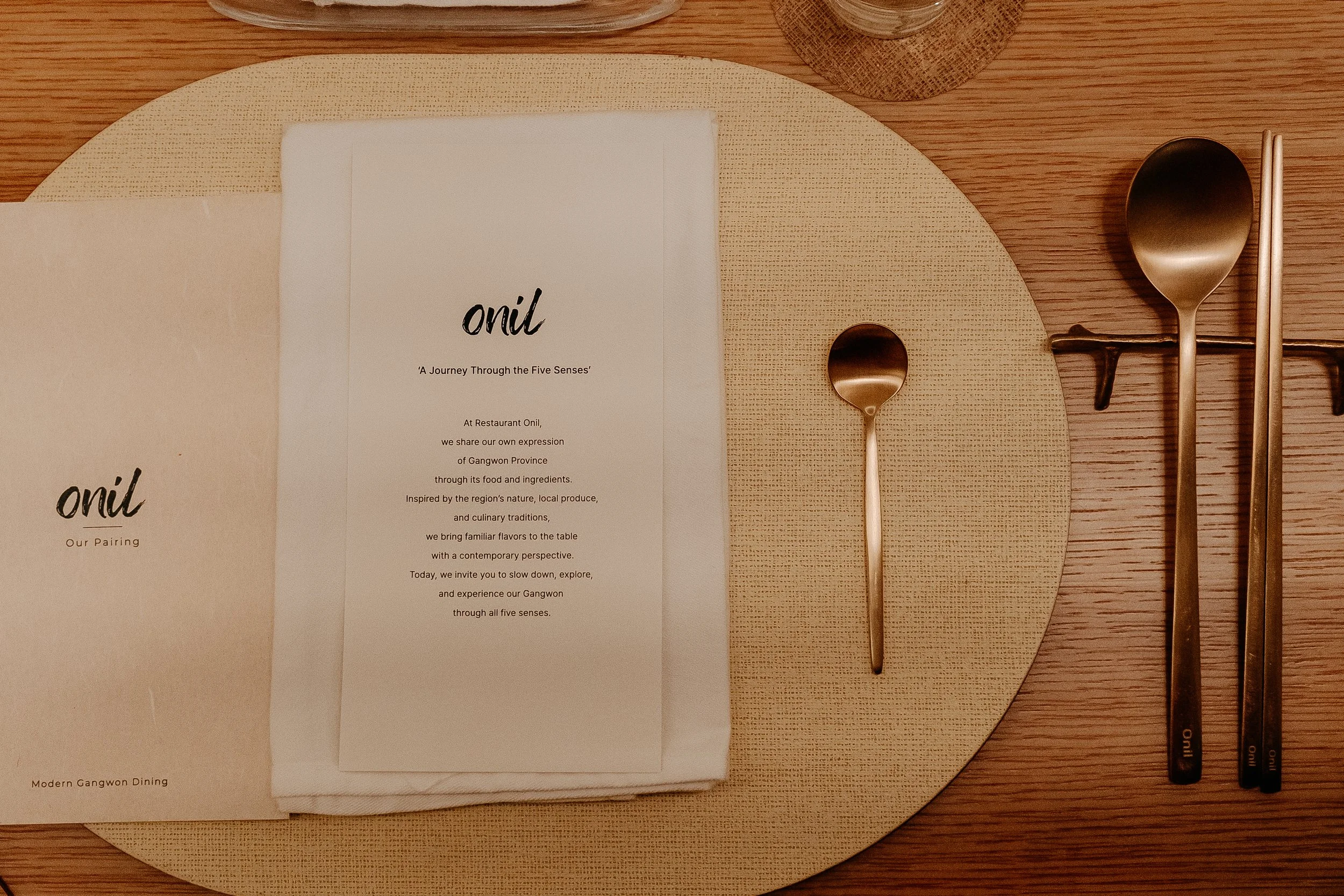
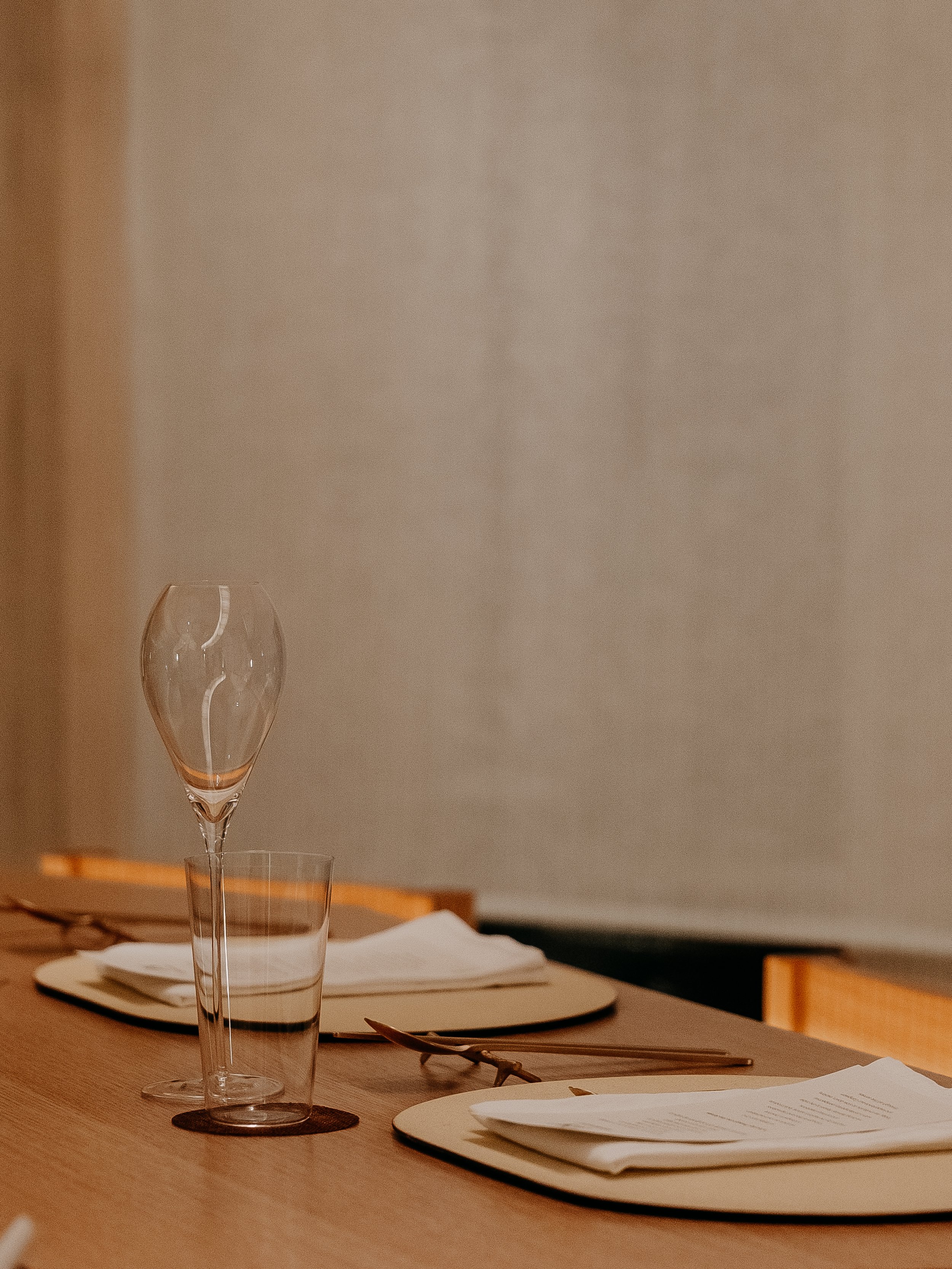
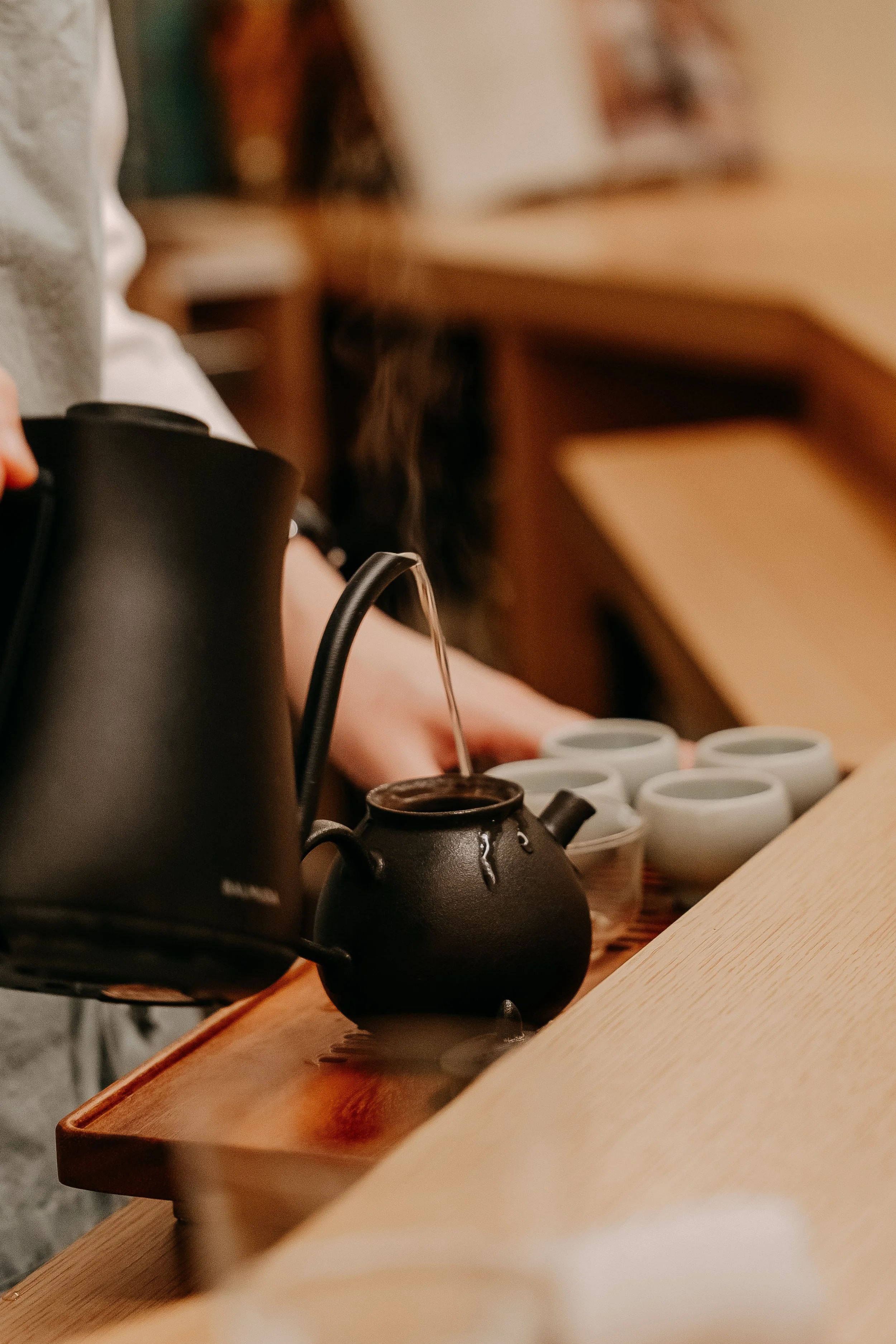
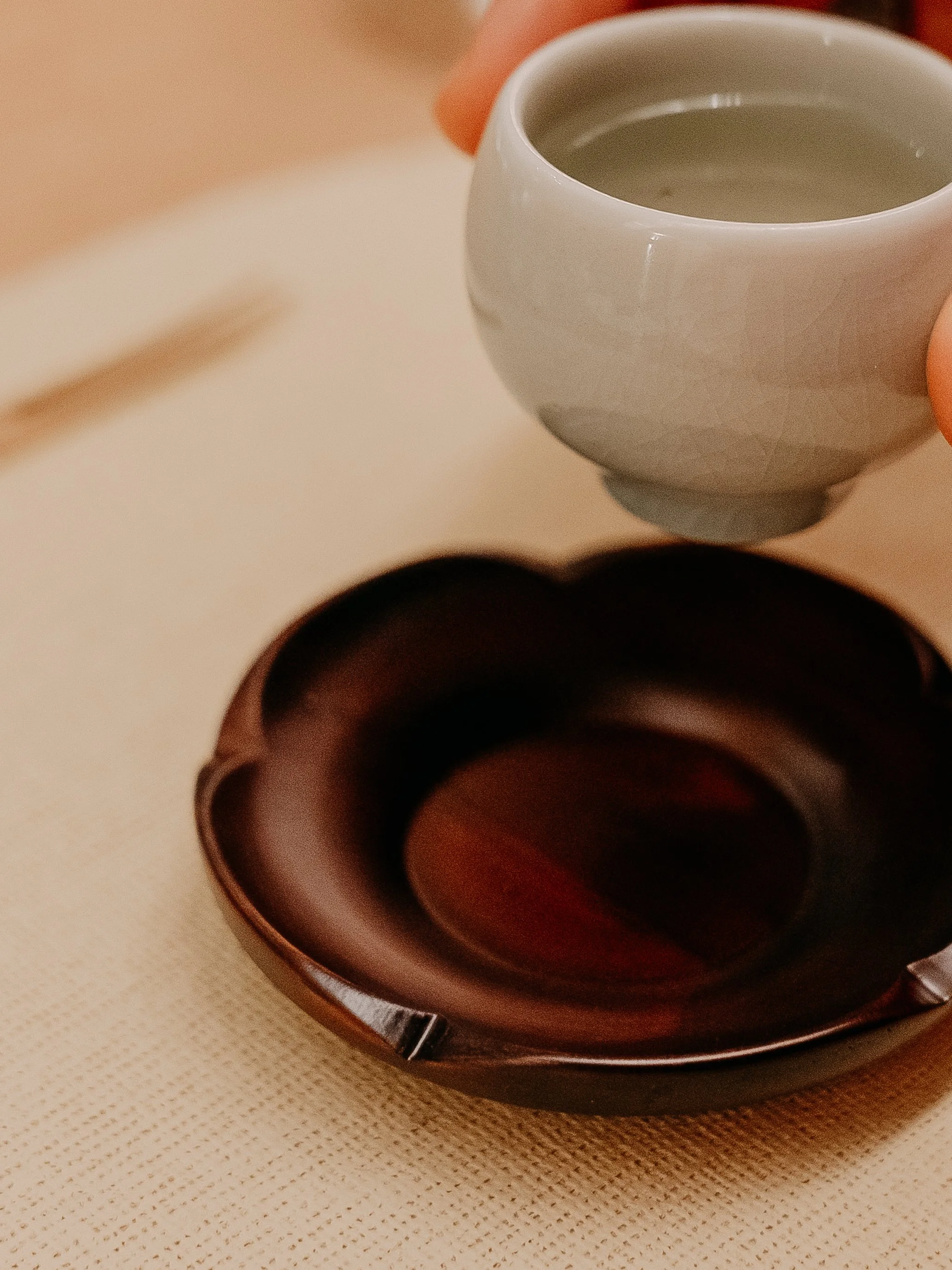
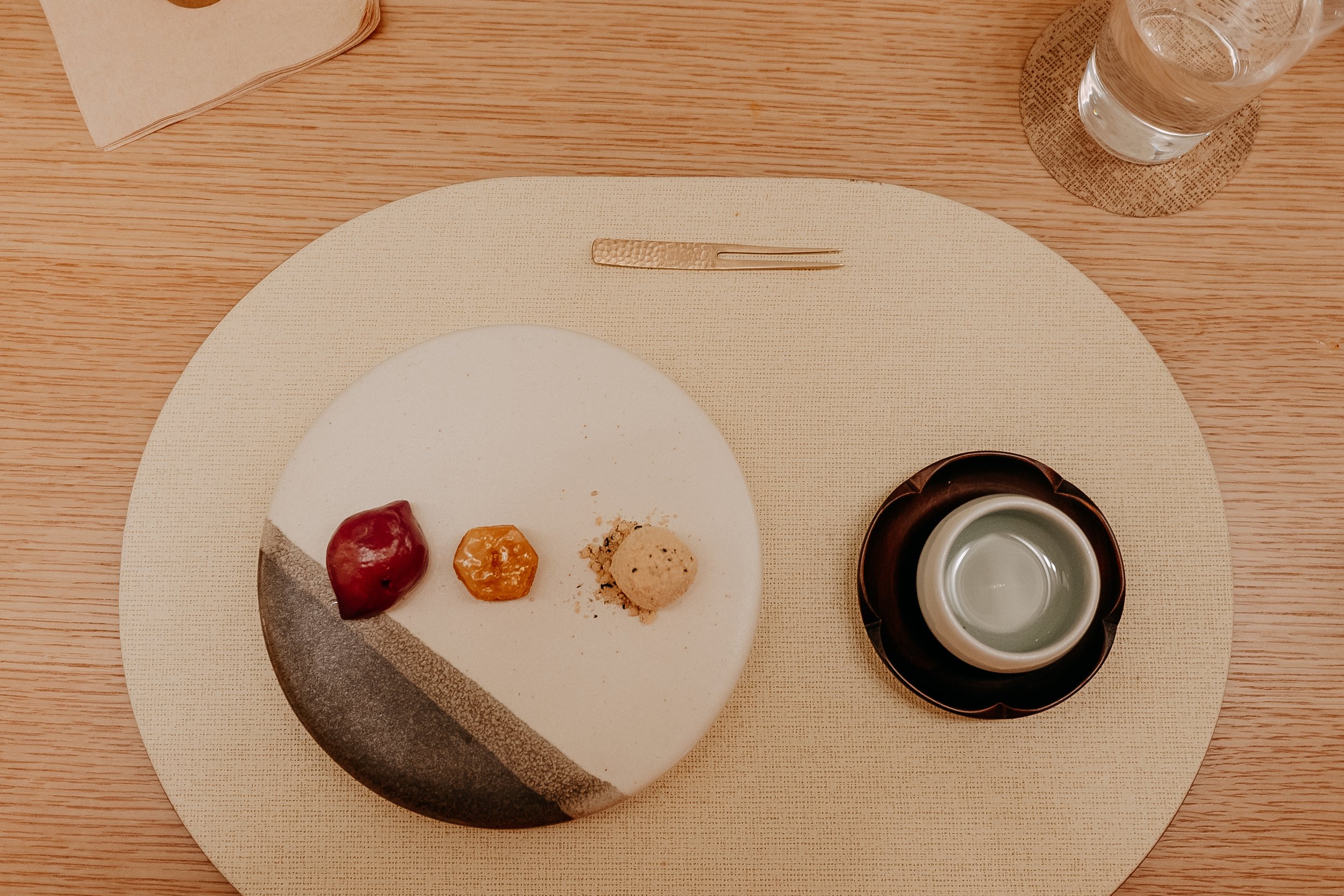
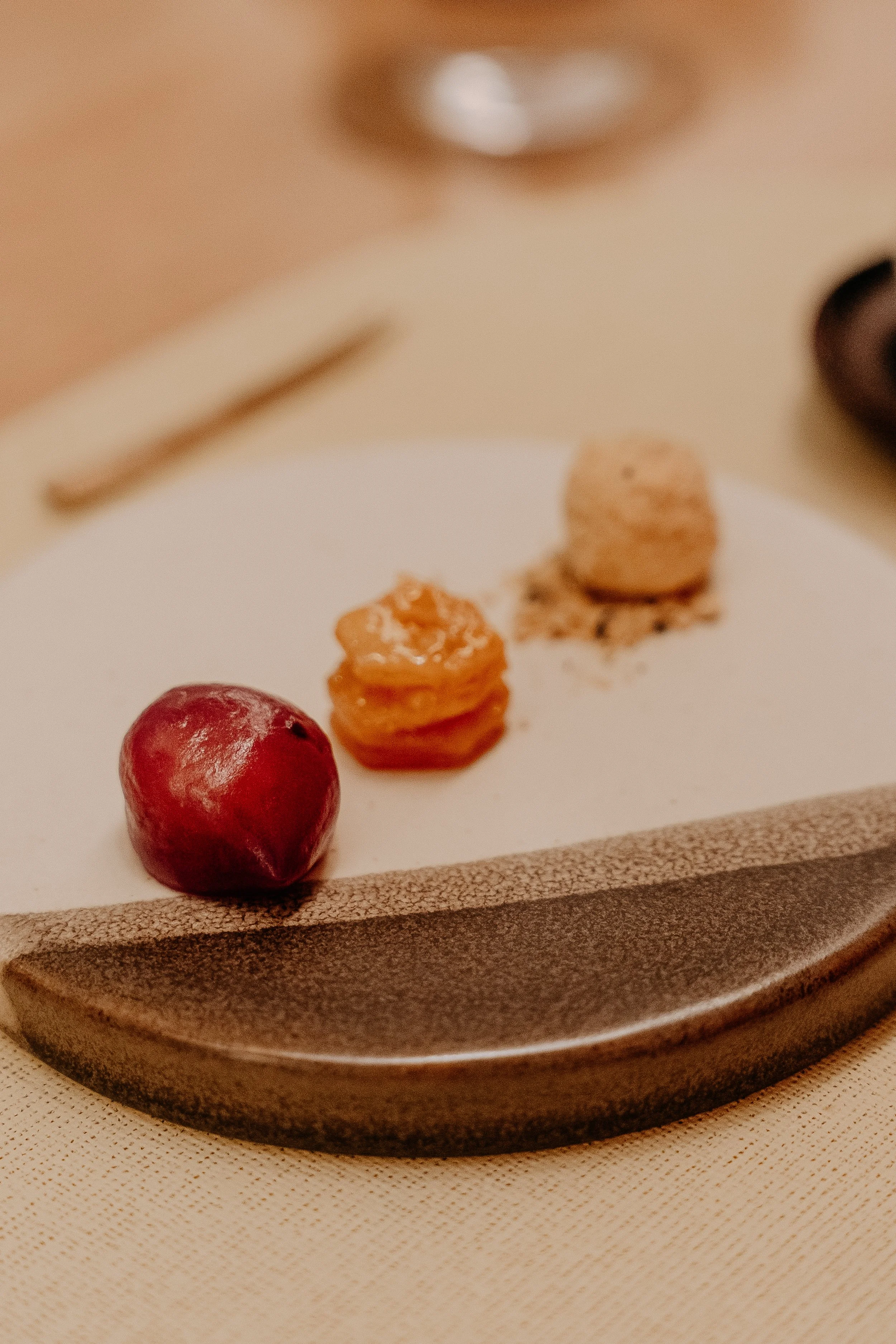
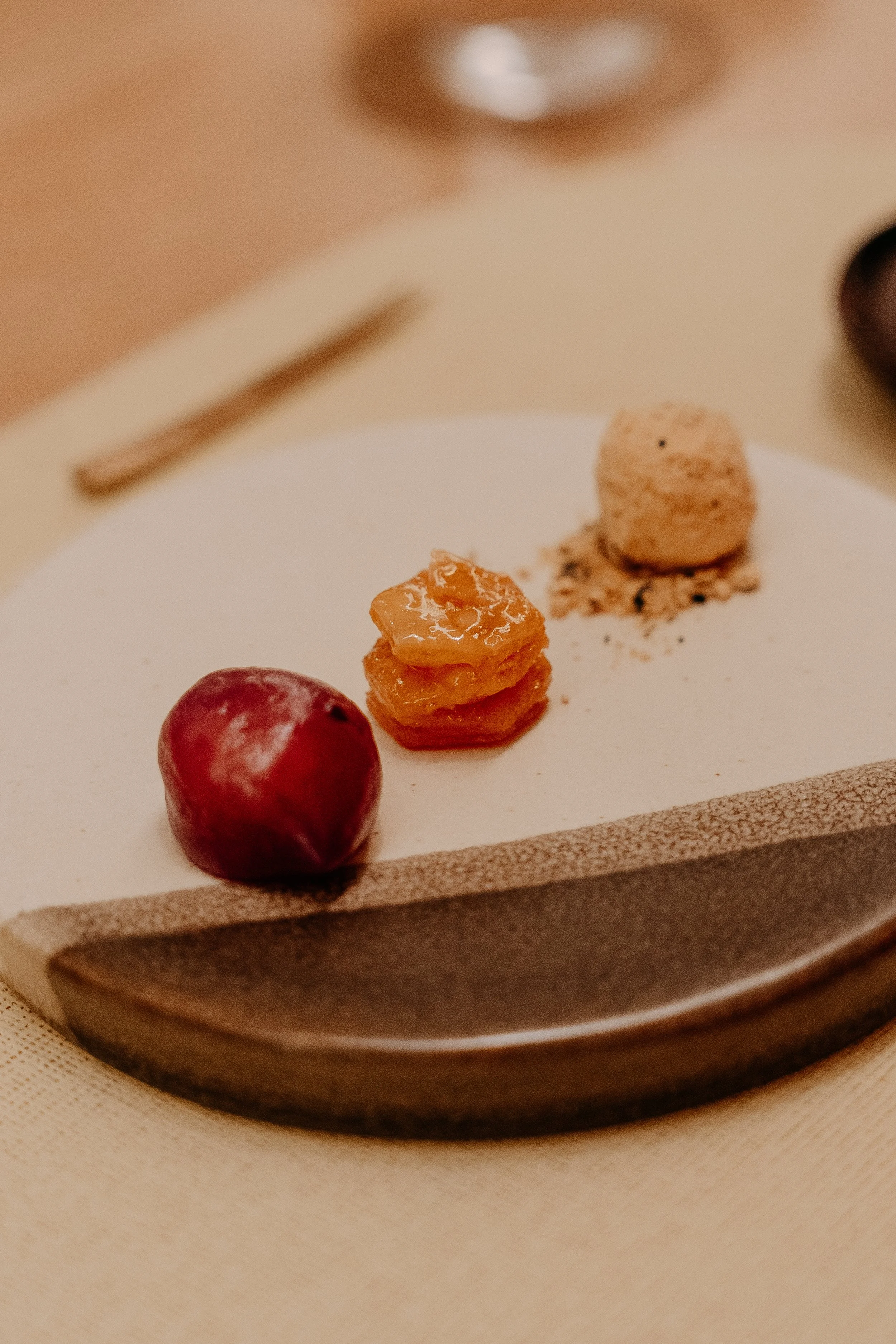
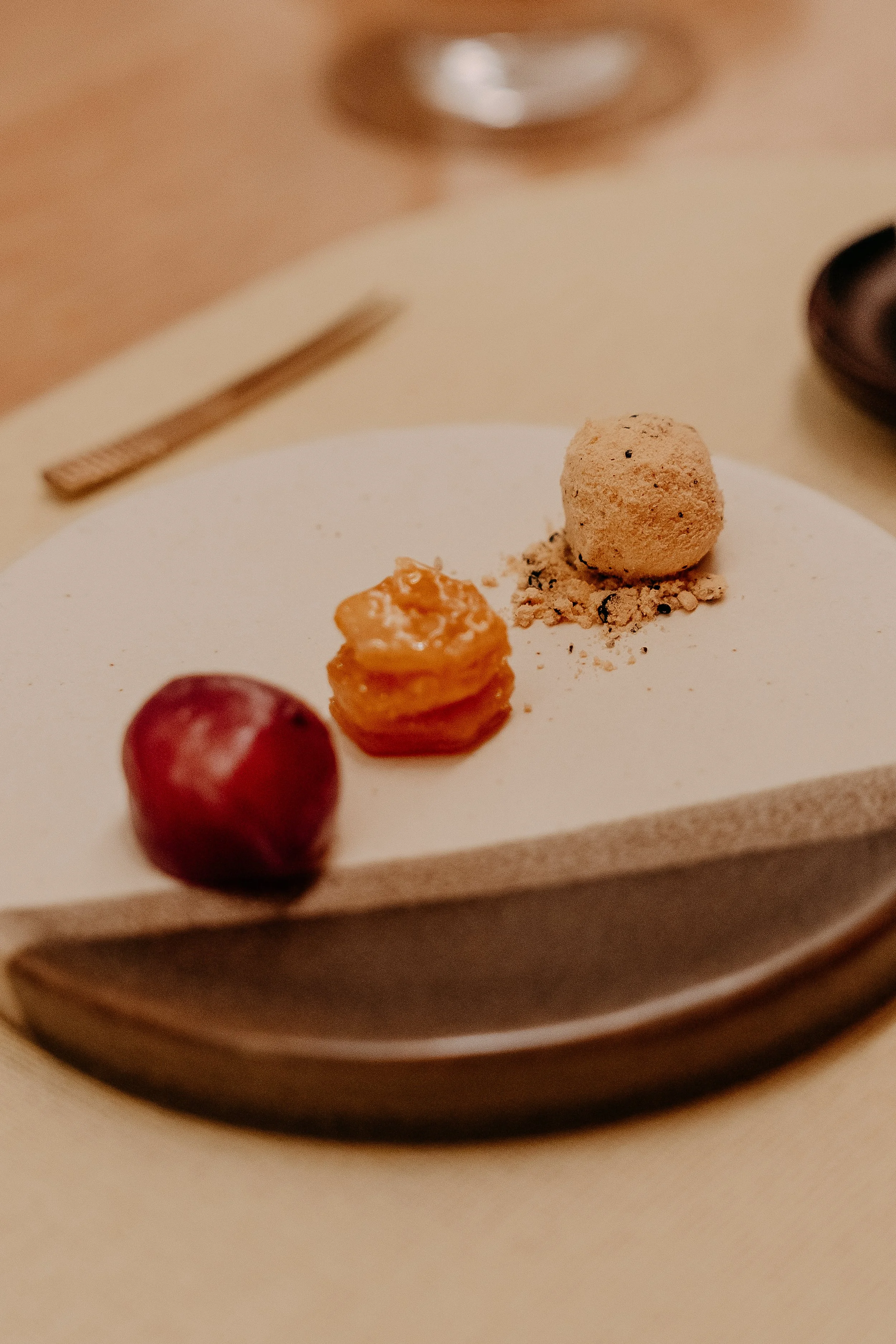
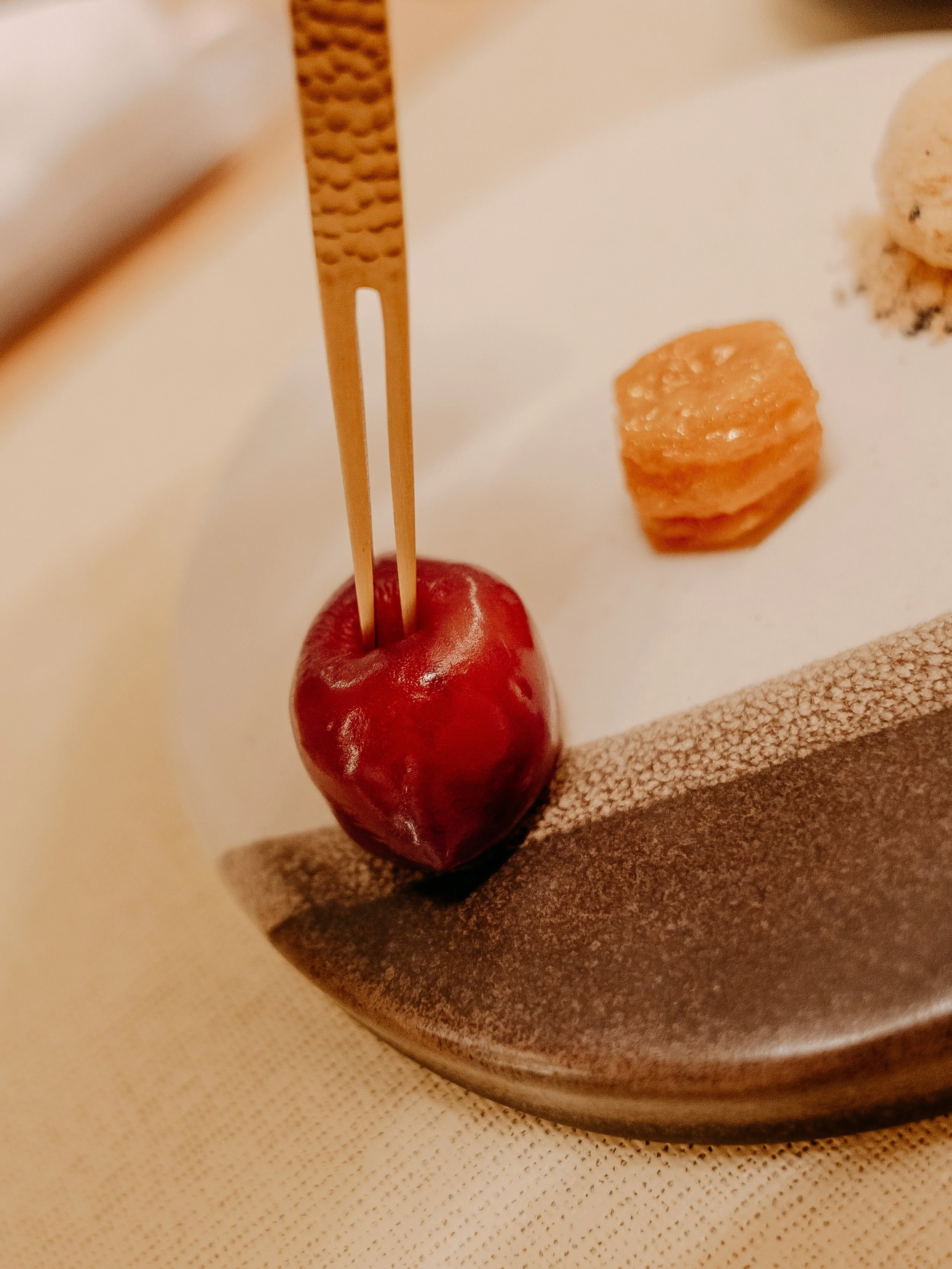
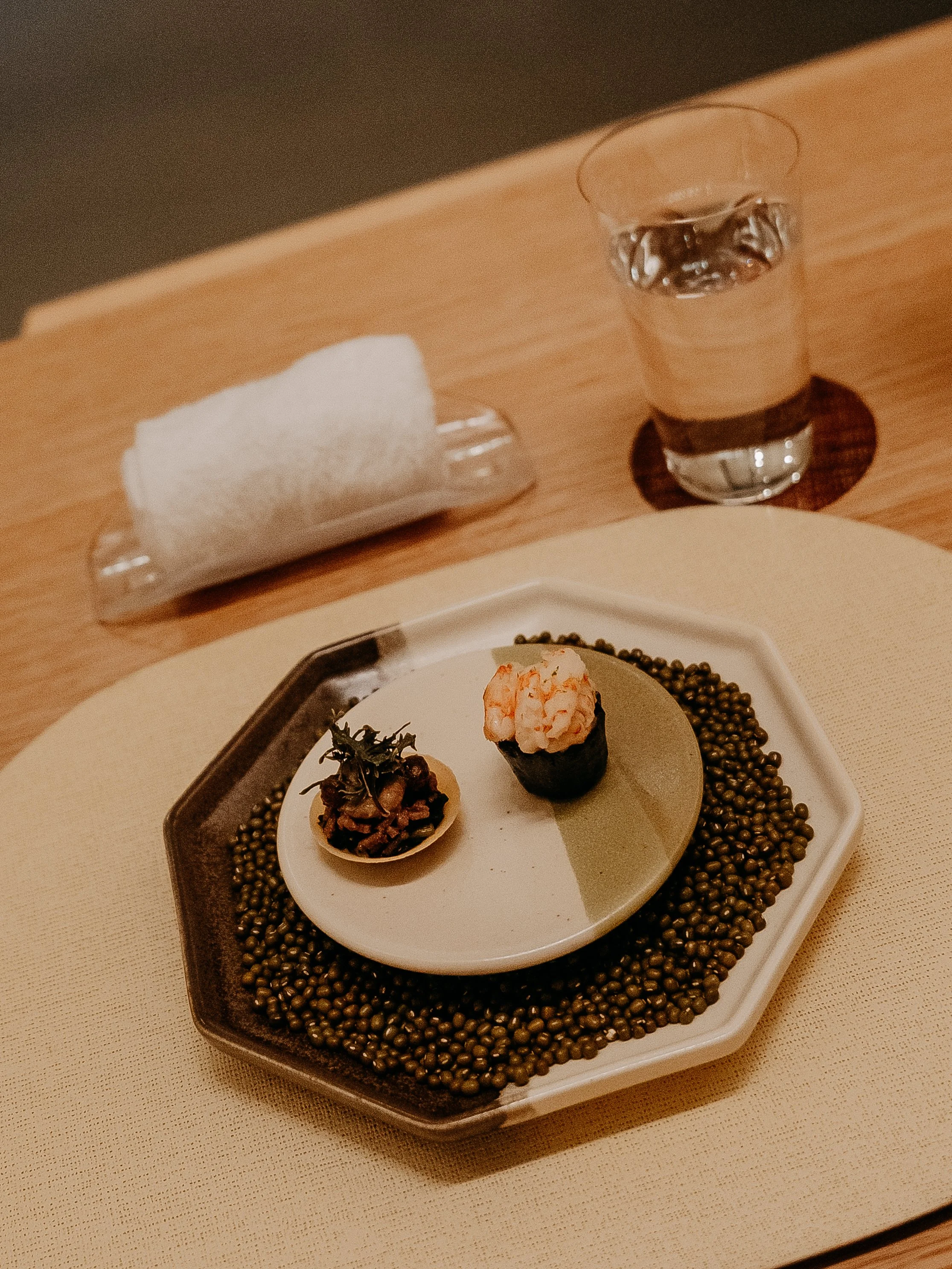
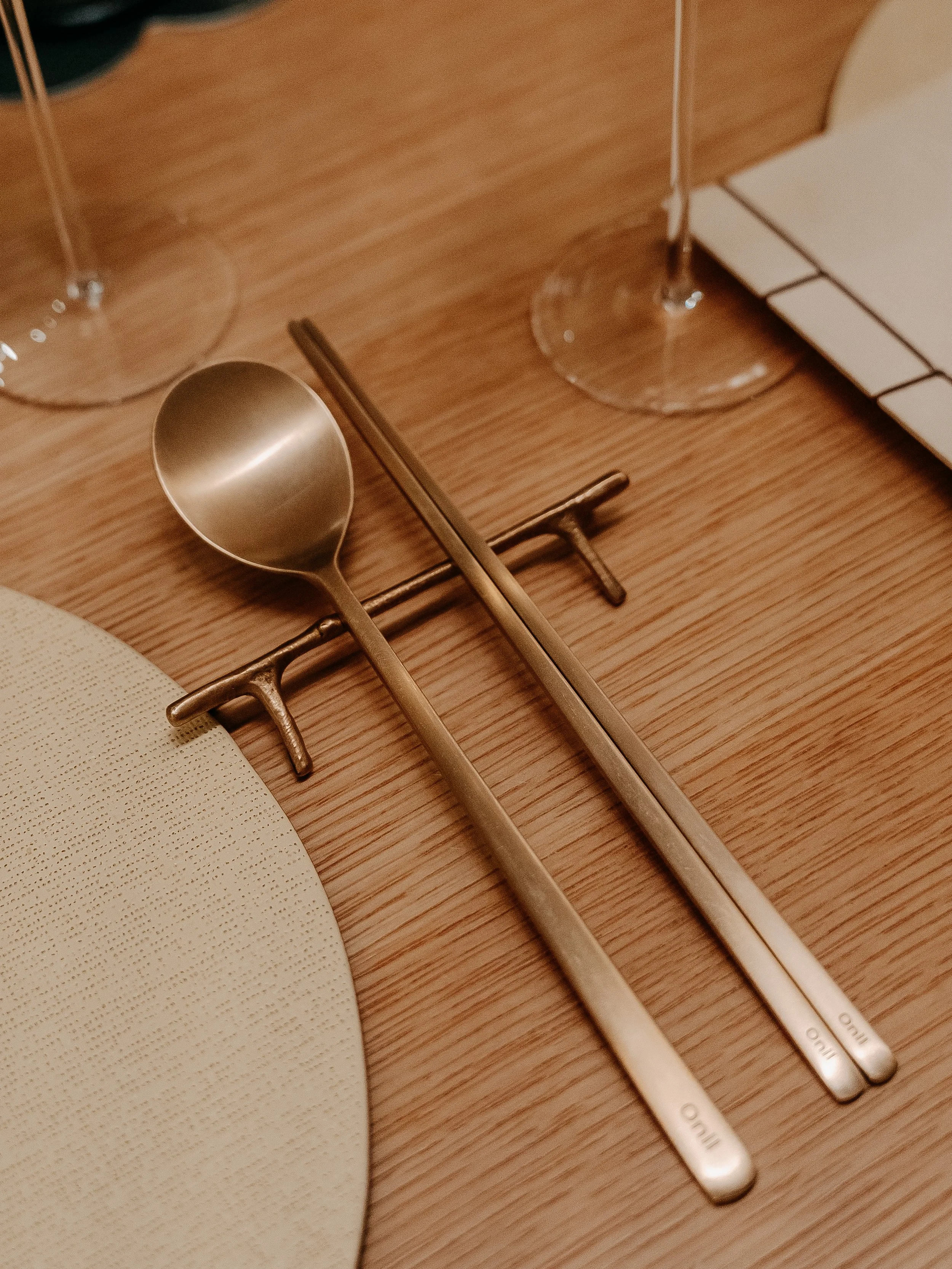
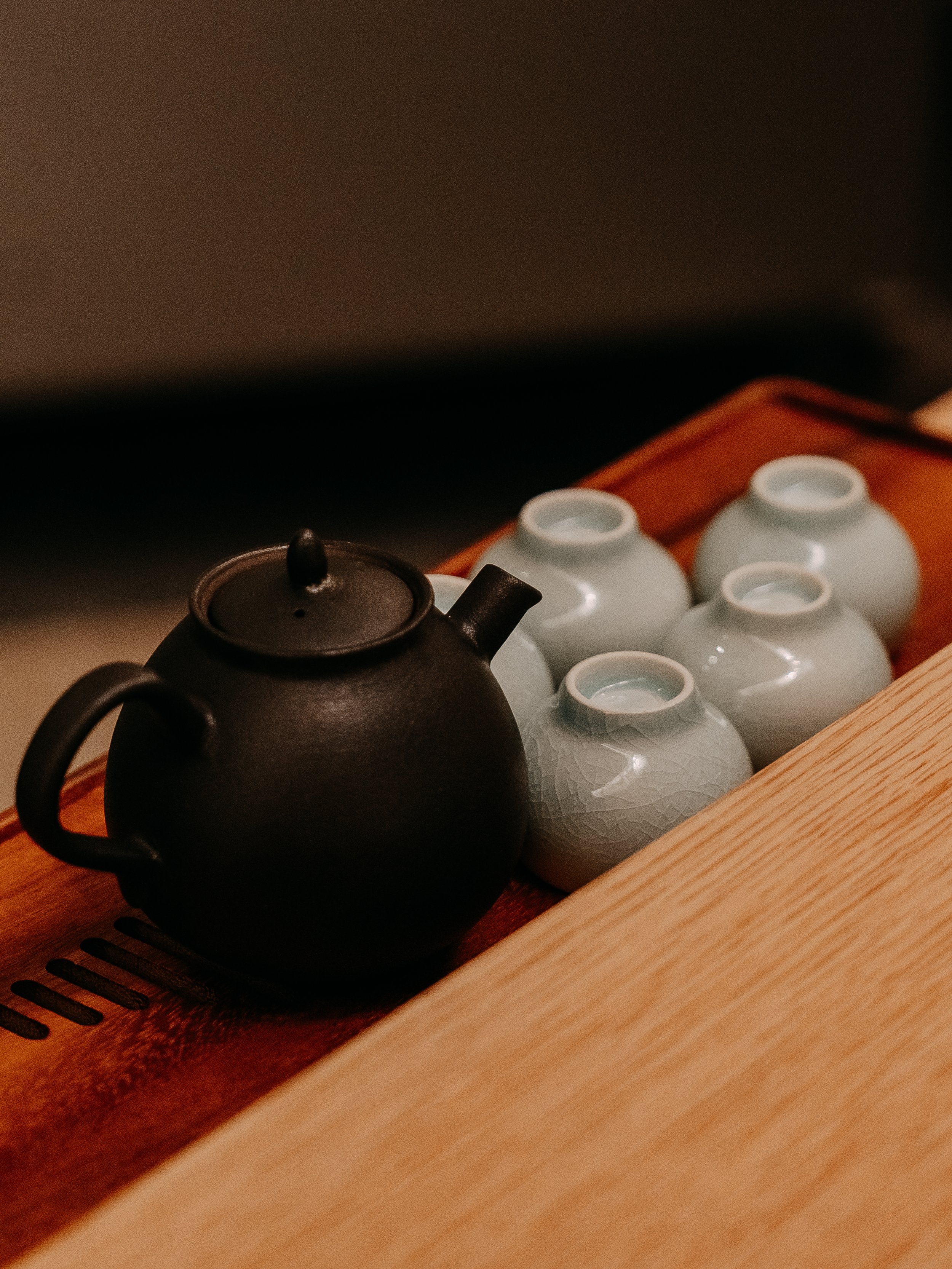
The tableware is the other half of the story. The plates were made for Onil in collaboration with Odense, a quiet matte ceramic that lets the food carry the colour, and the teacups come from a ceramic artist based in Gangwon. Tasselled wooden door pulls, blue enamel trays of microgreens along the pass, a tiny moss garden by the kitchen: every object is chosen, and every object belongs to the same province. For a hospitality brand, that kind of consistency is gold. It means the restaurant's identity shows up in every frame, not just the hero shot.
The Ten Courses
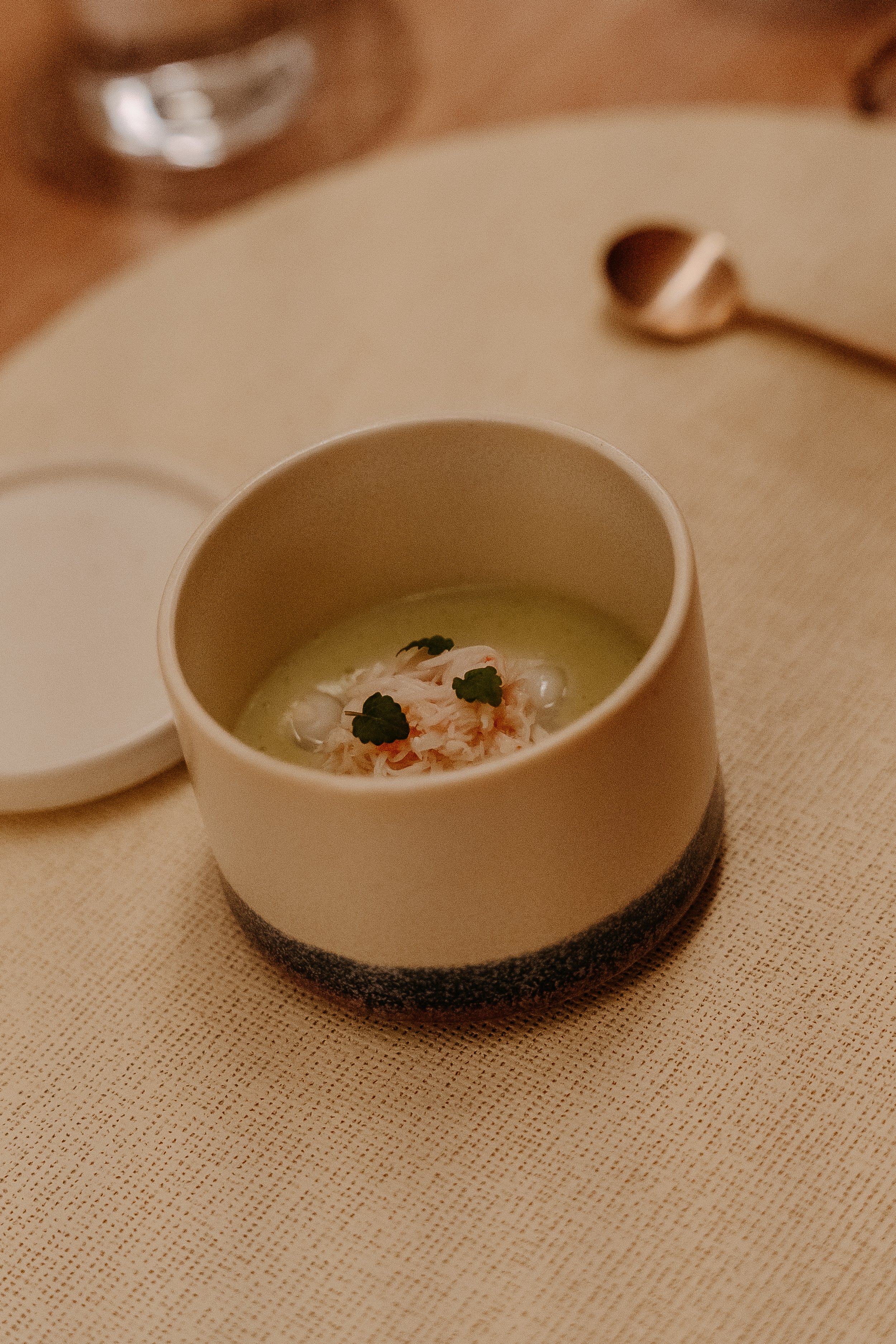
Wonmi: Corn soup made from okssigi, the Gangwon dialect word for corn, with sweet red crab and lemon balm. Gentle, nutty, sweet the way corn is sweet. The kind of first course that drops your shoulders.
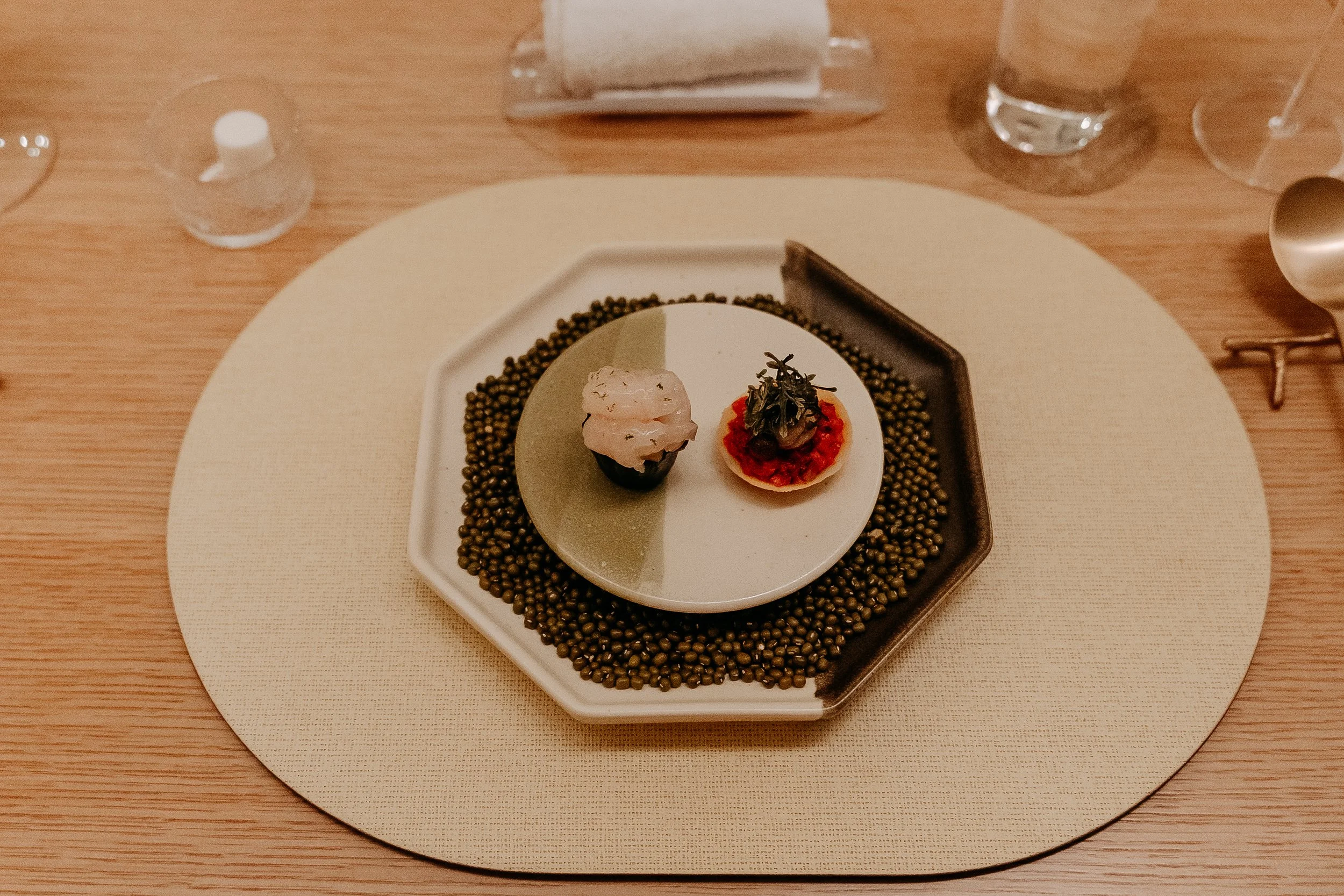
Mountain & Sea: Two landscapes on one plate. Dokdo shrimp, whelk and green apple for the sea; hanwoo and pine mushroom for the mountain. As much fun to look at as to eat.
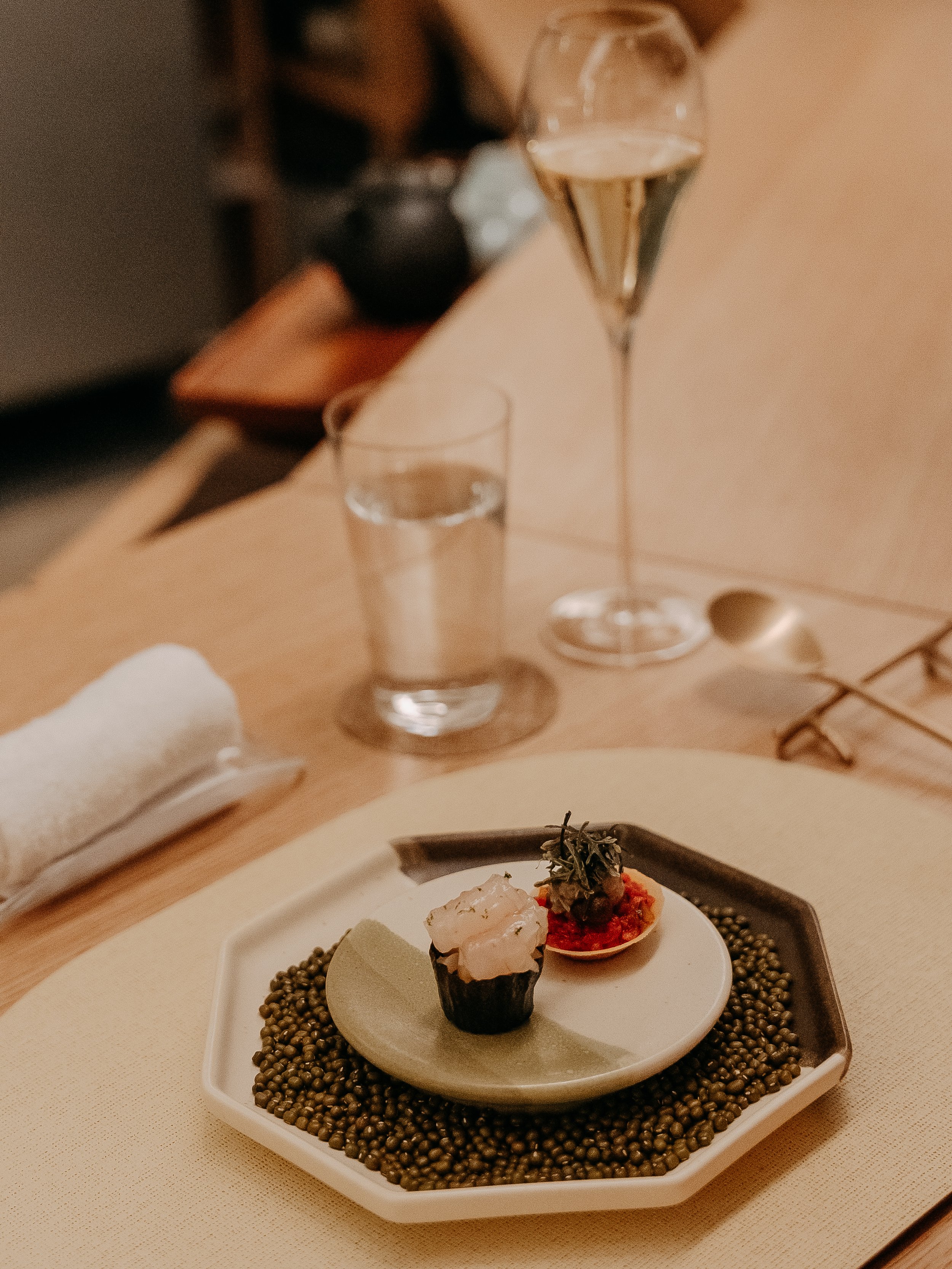
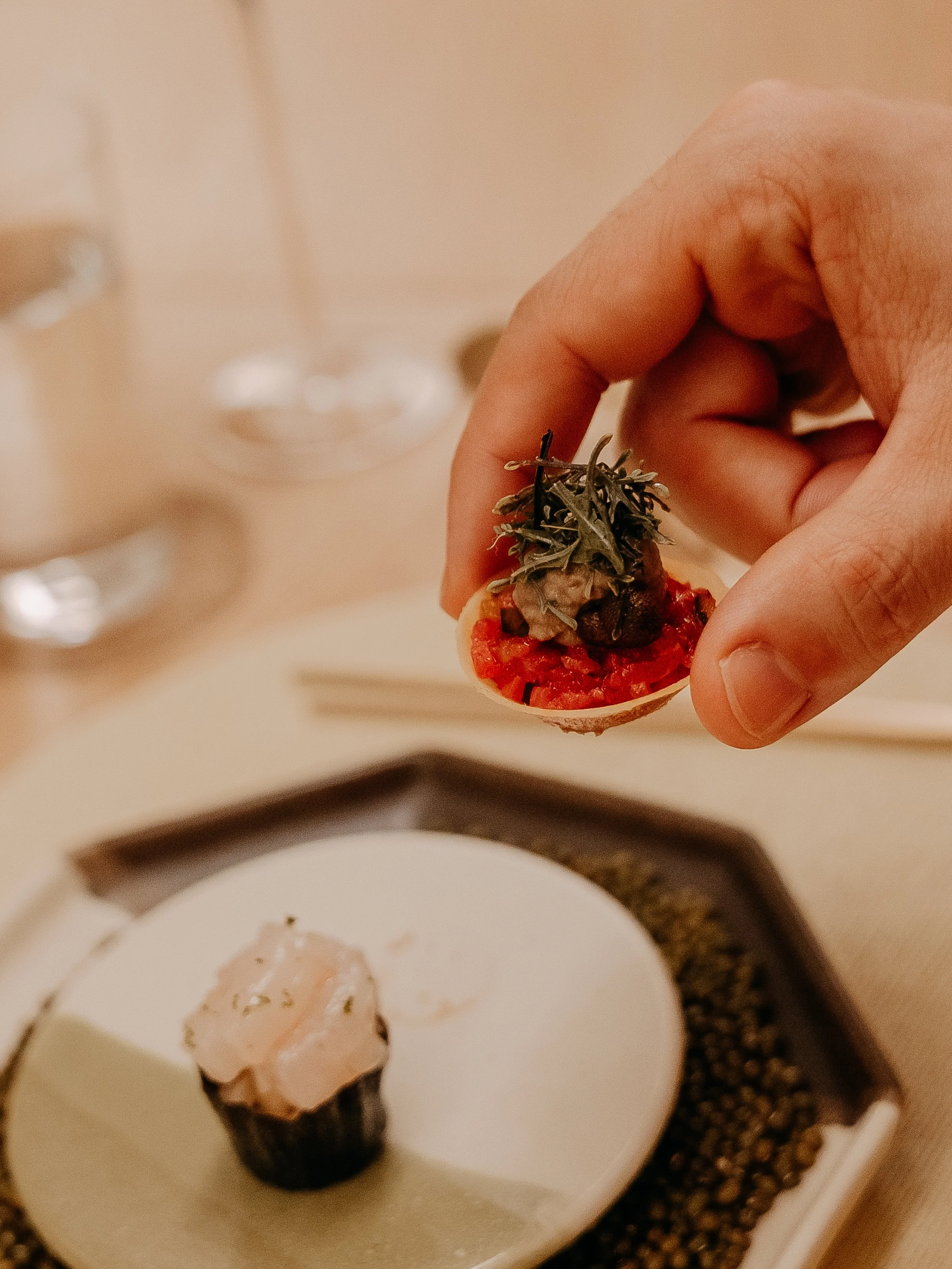
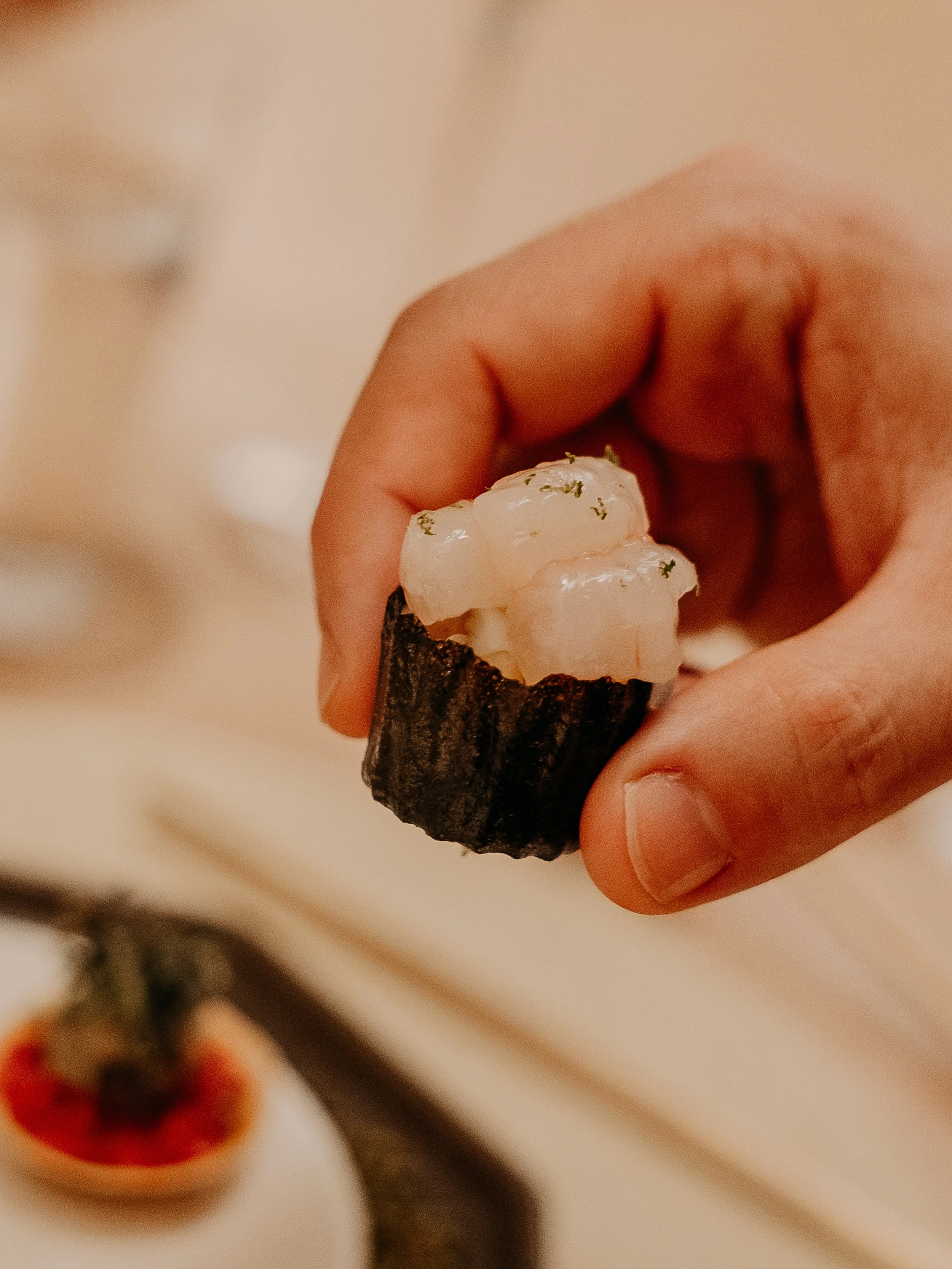
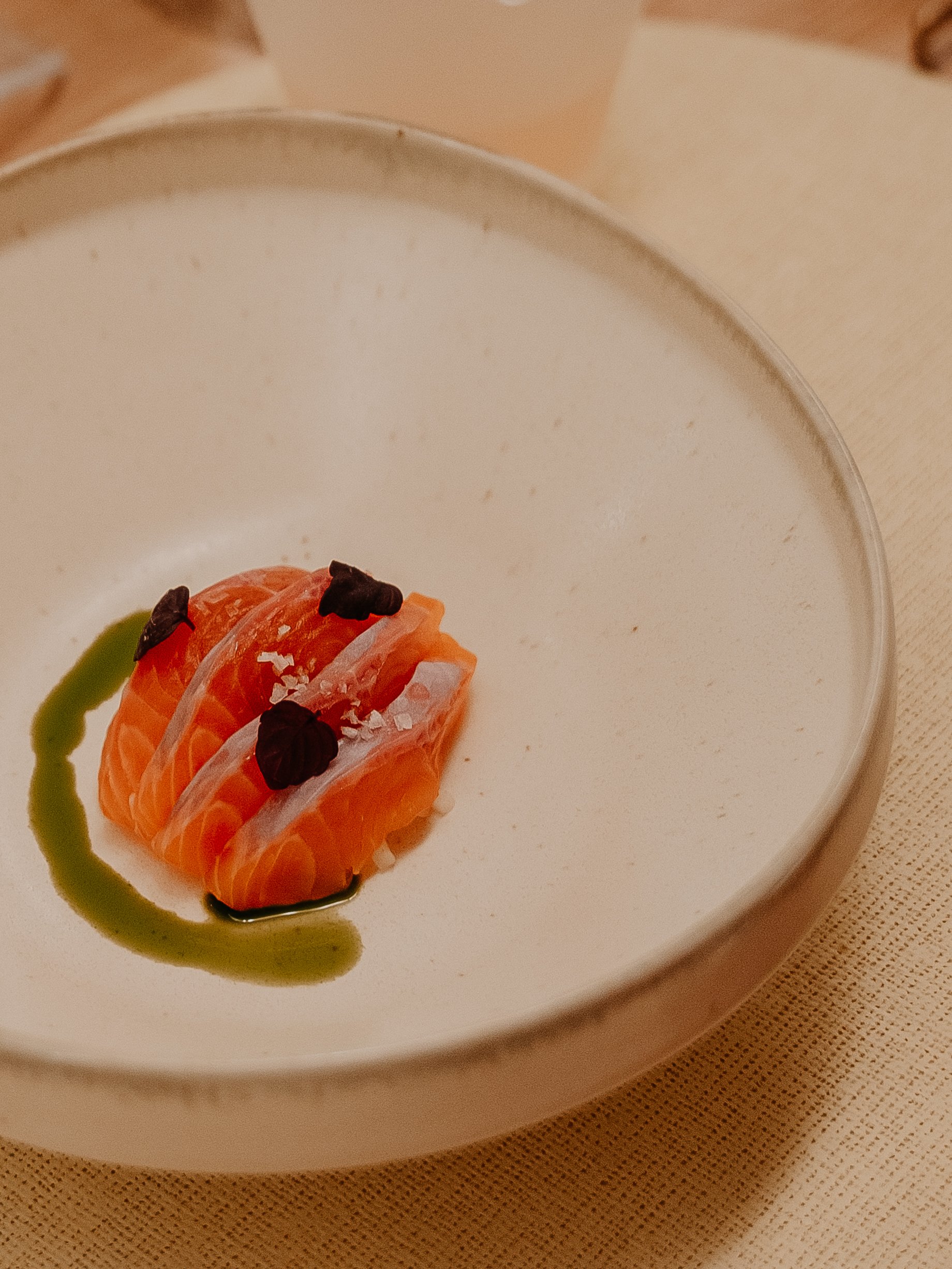
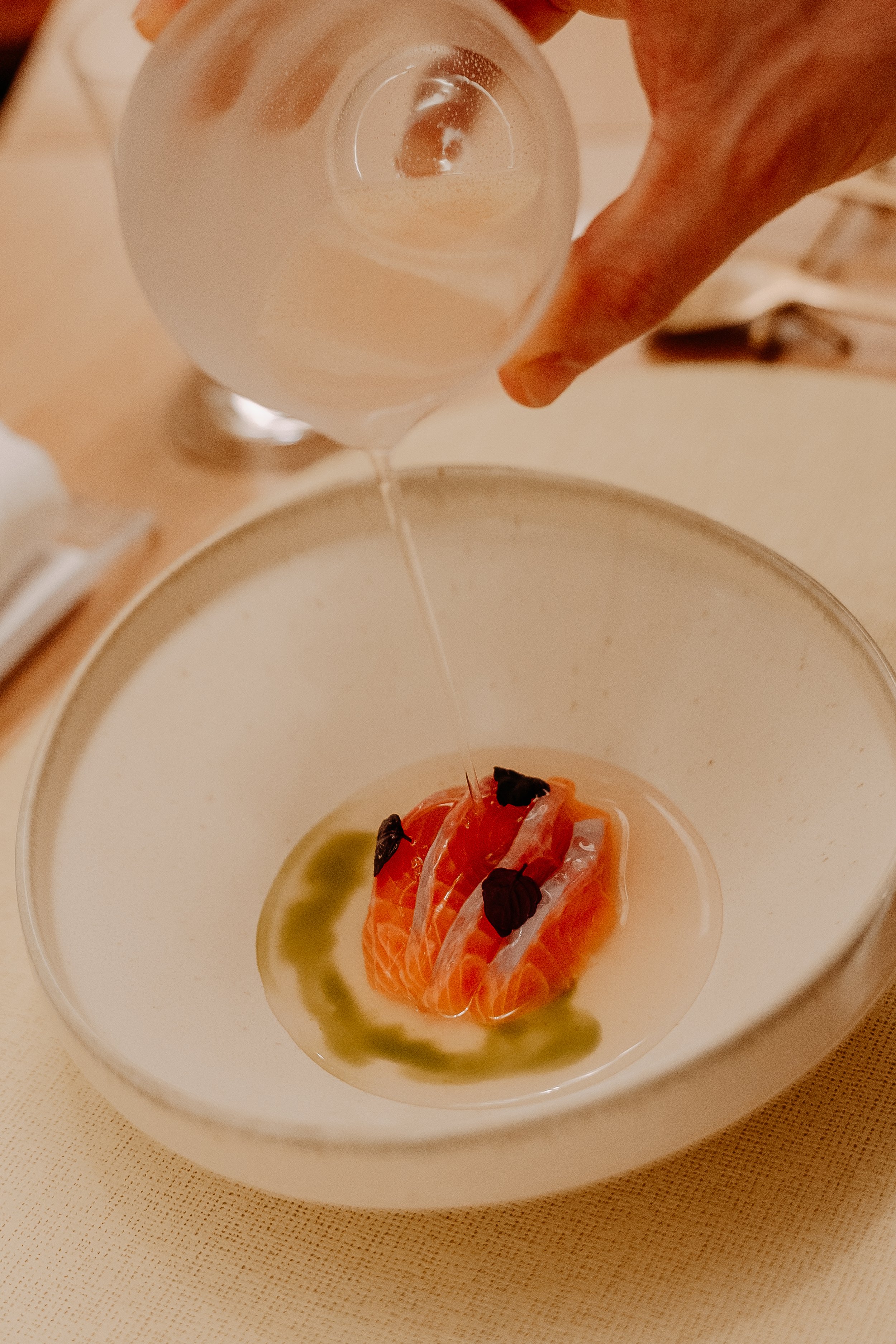
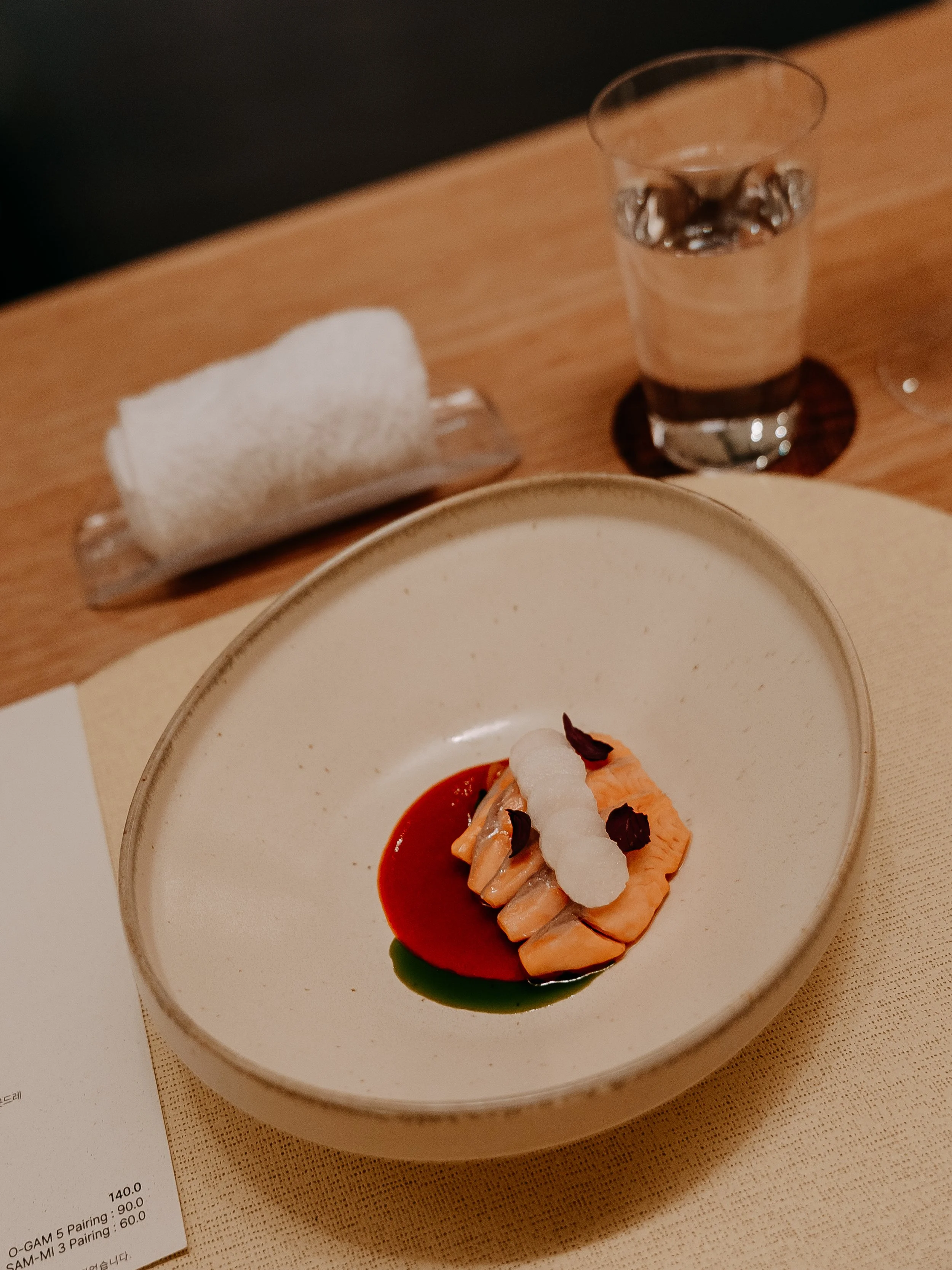
Mulhoe: Gangwon trout with dongchimi radish, shiso, clam, pear and tomato. Mulhoe is normally a cold raw-fish dish from the coast; here it is refined without losing its brightness. Mine was served cooked, more on that below.
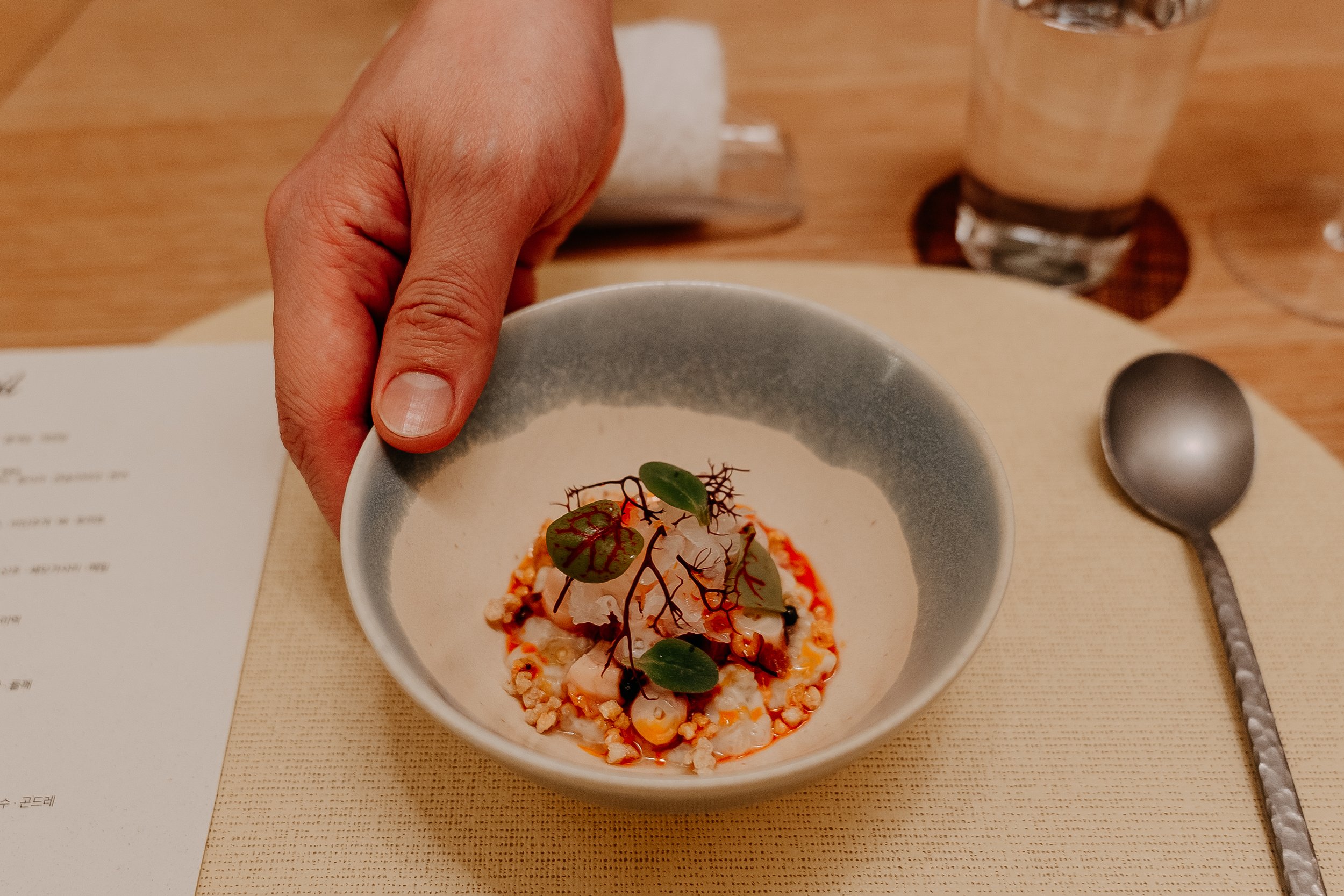
Porridge: Webfoot octopus, Jerusalem artichoke, barley, sancho, seaweed and buckwheat. Comforting and savoury, with the sancho waking it up just when it might get too cosy.
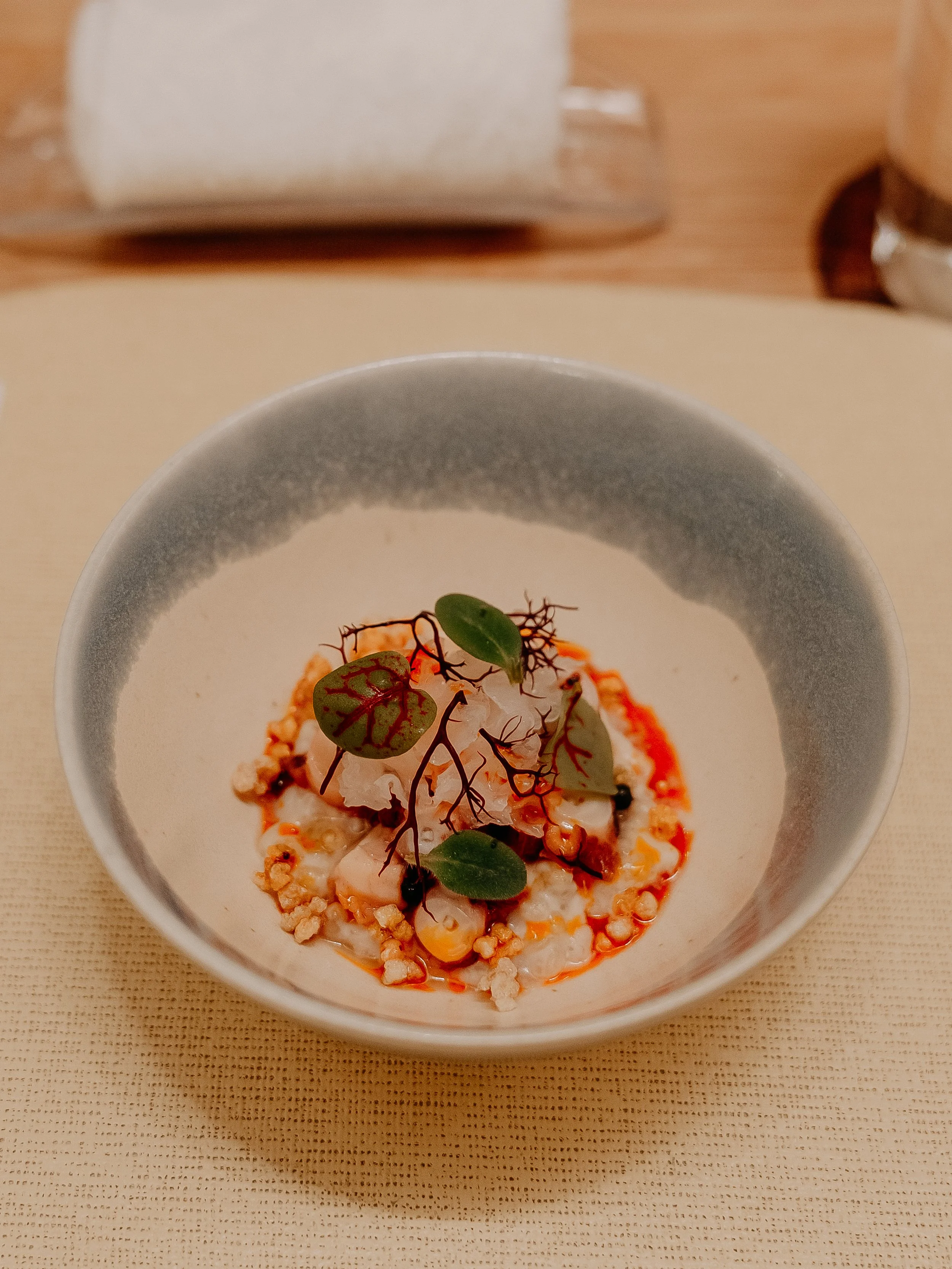
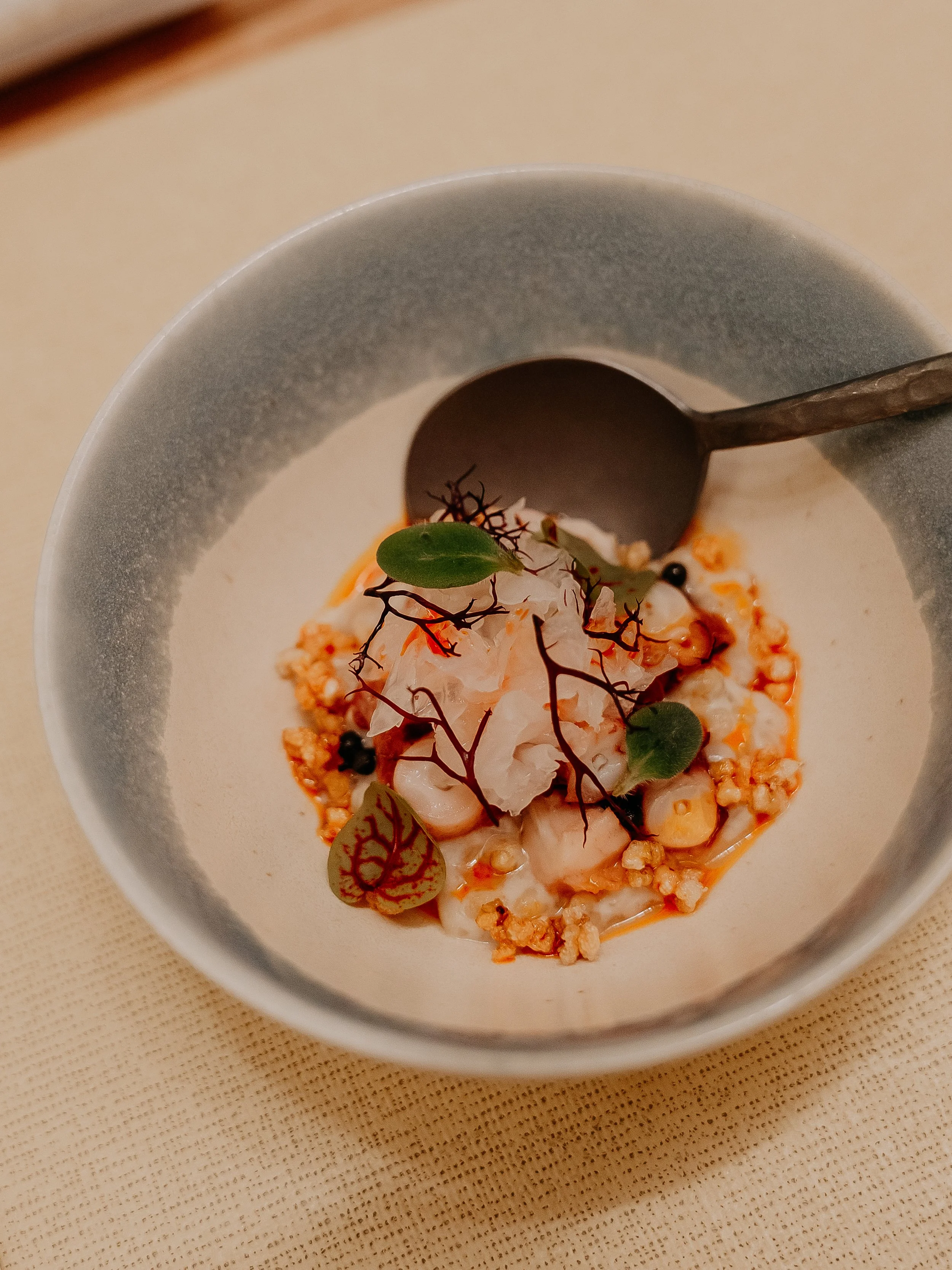
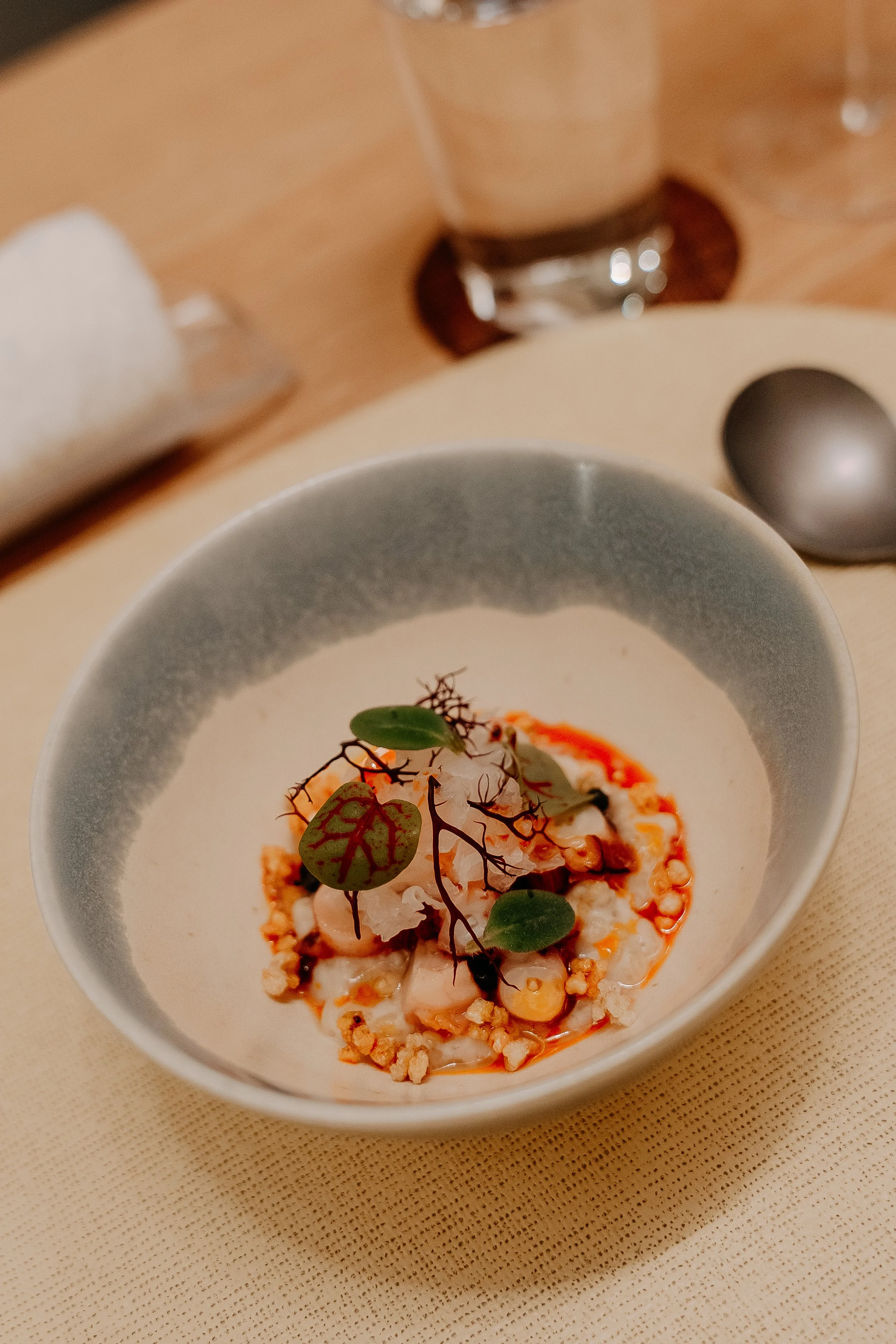
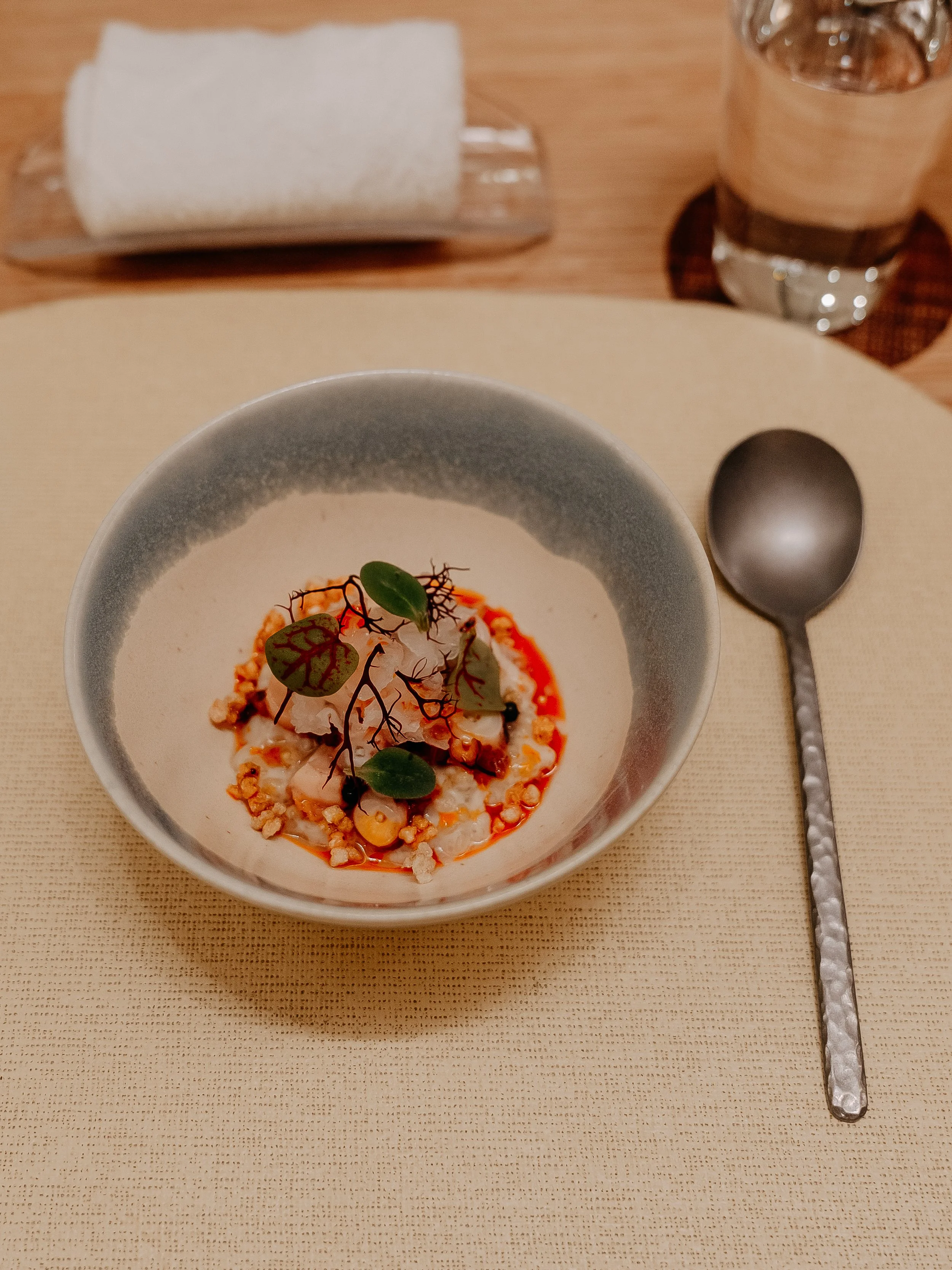
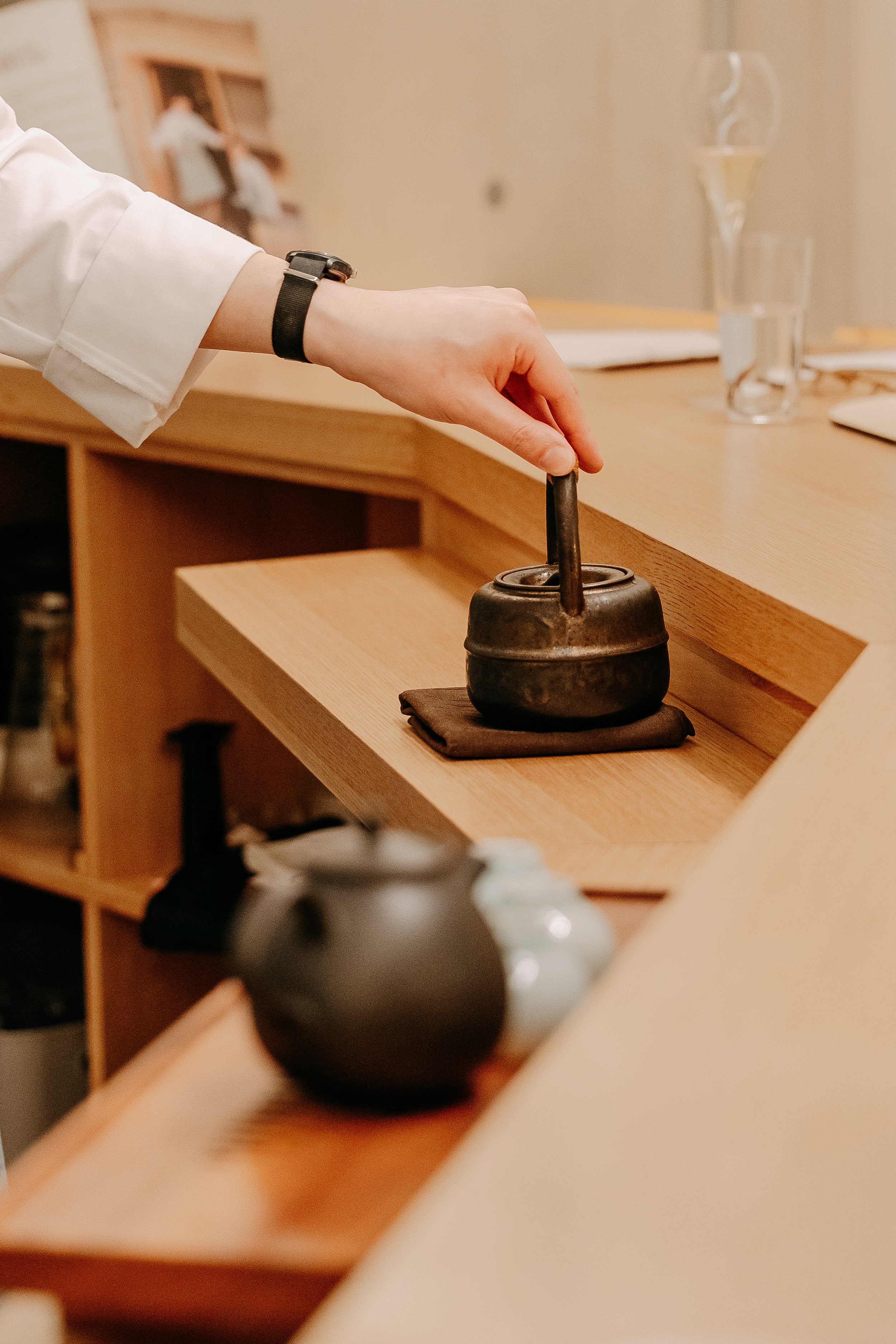
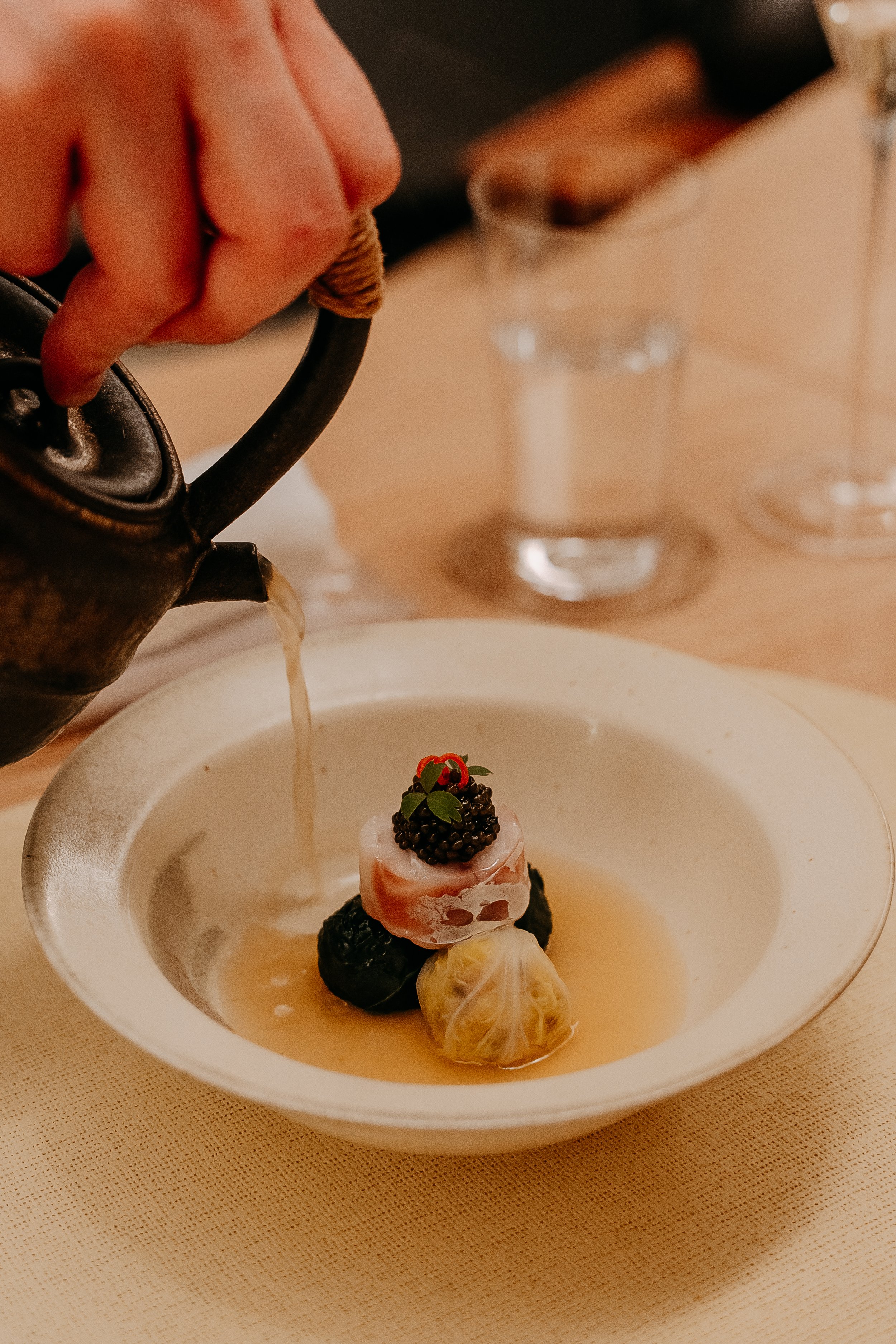
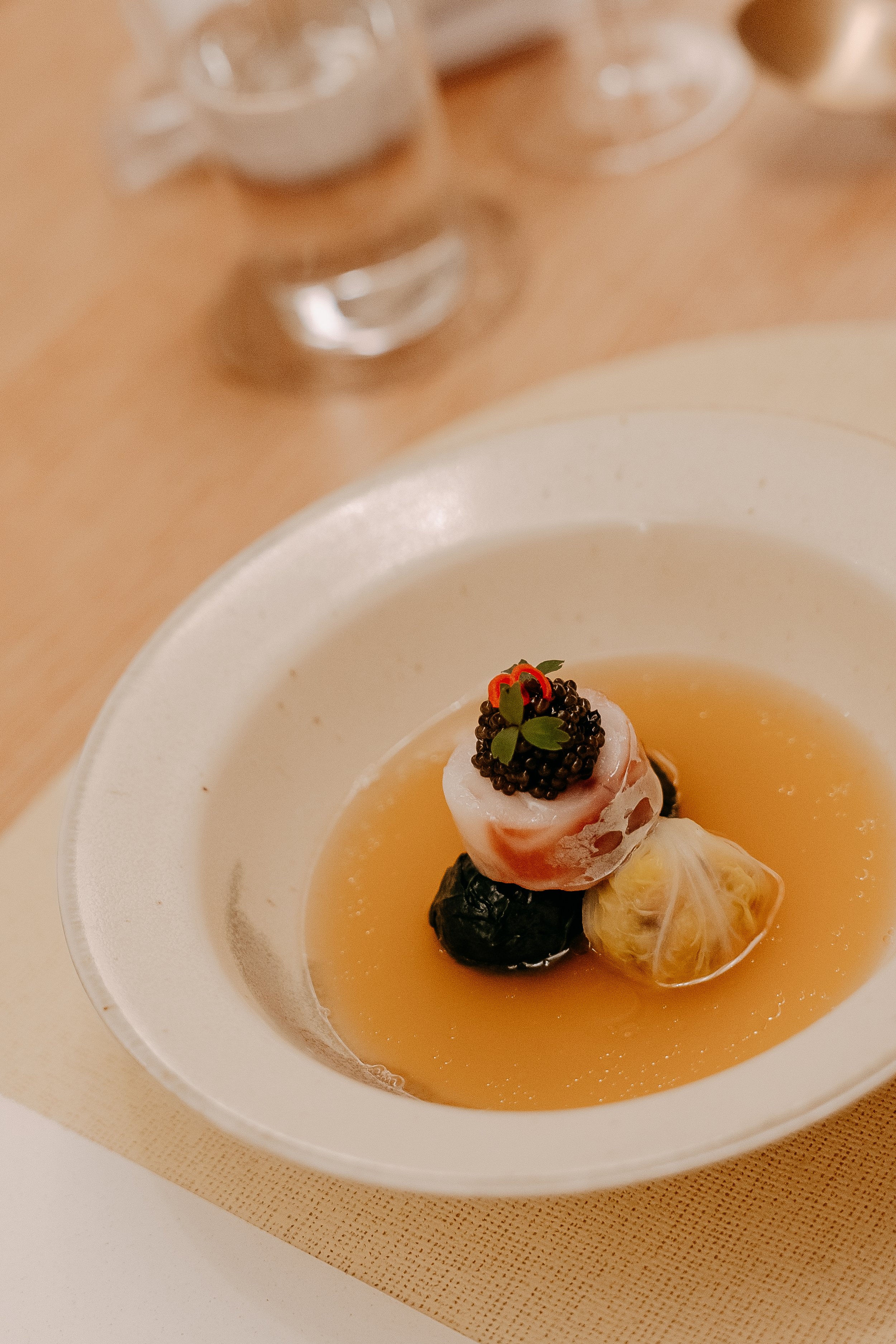
Broth: Cod, shiitake, celtuce, tofu, radish and seaweed in a clear, deep stock, poured at the table from a small iron pot. Quietly my favourite course of the night. It tasted like being looked after.
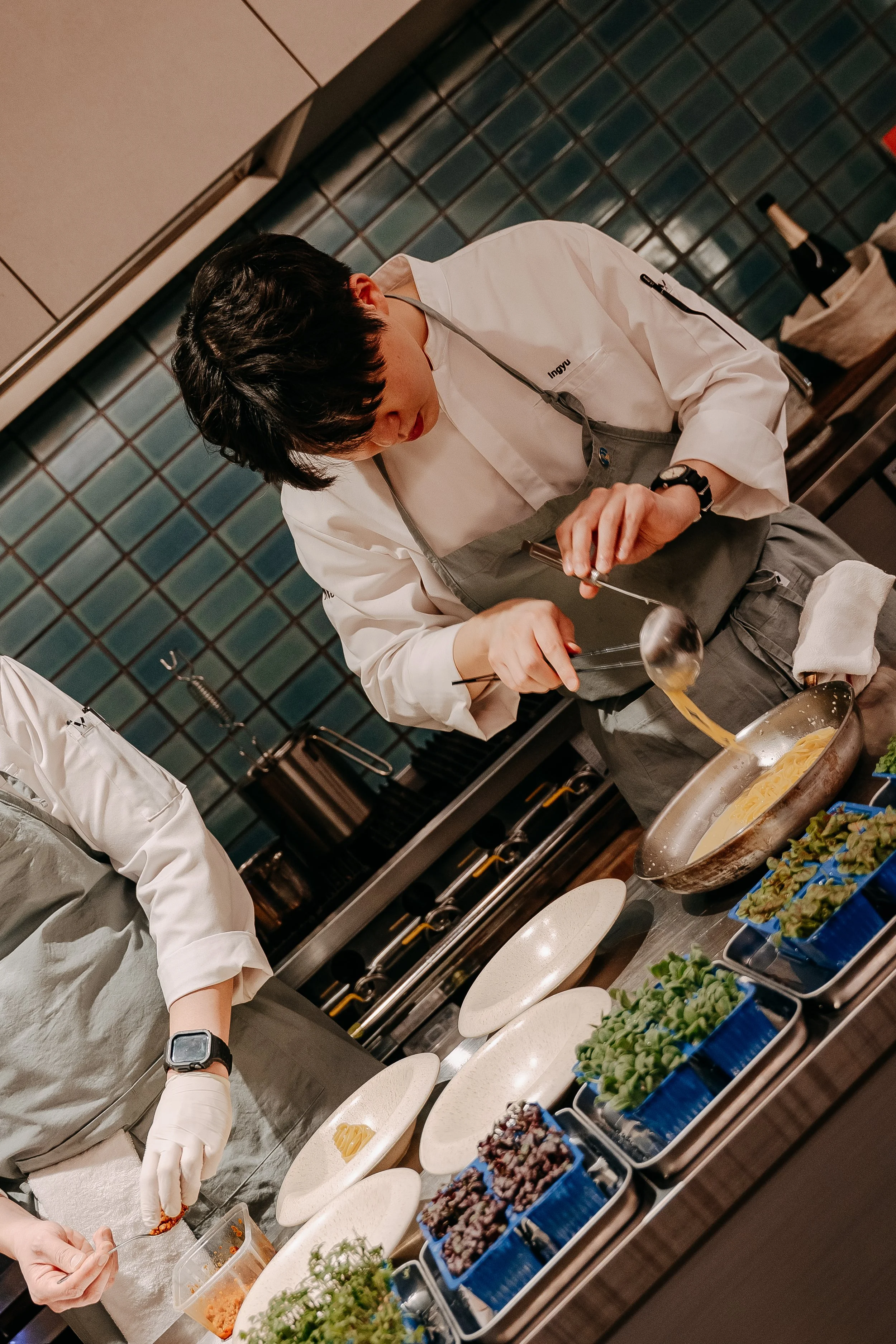
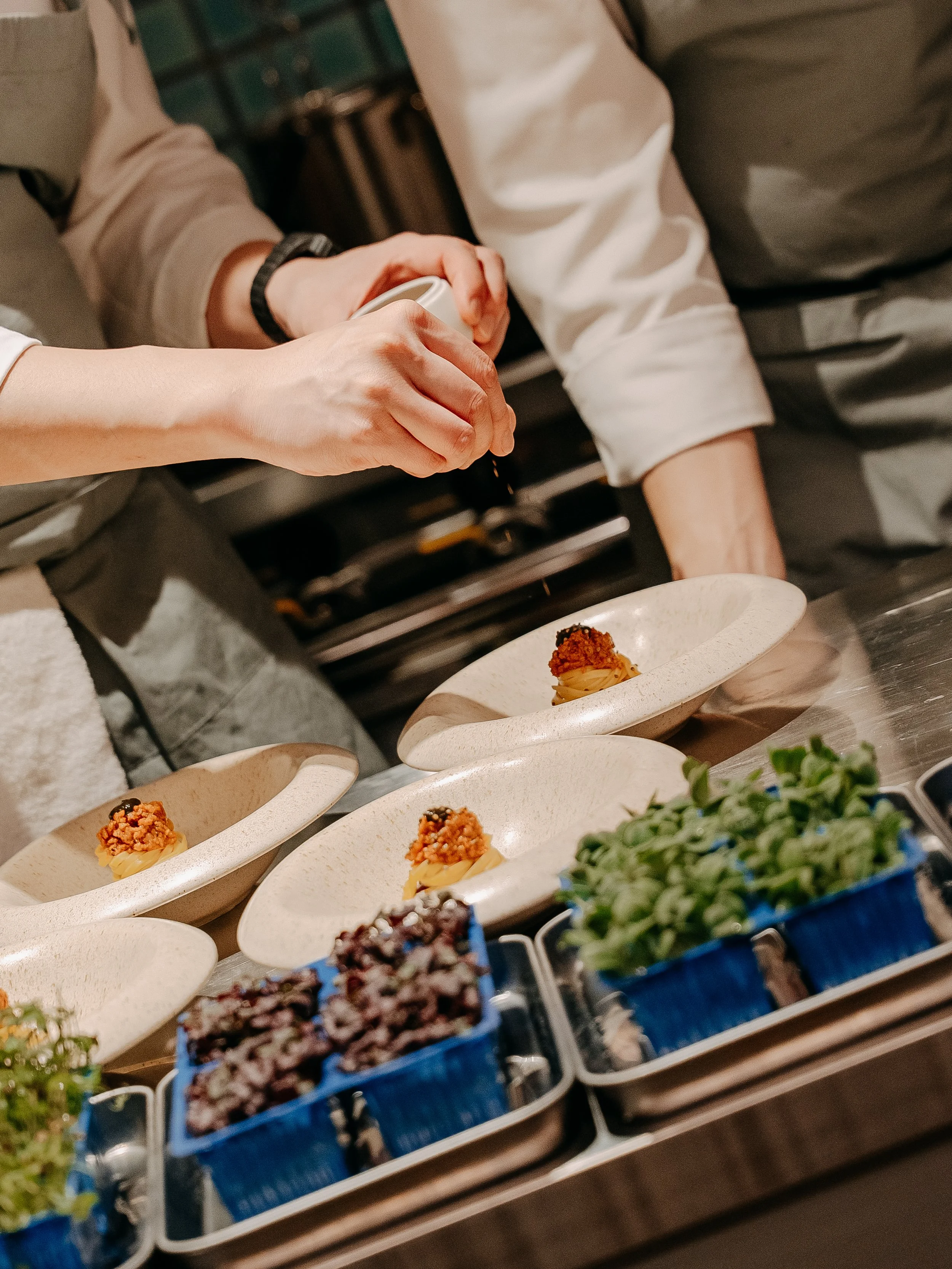
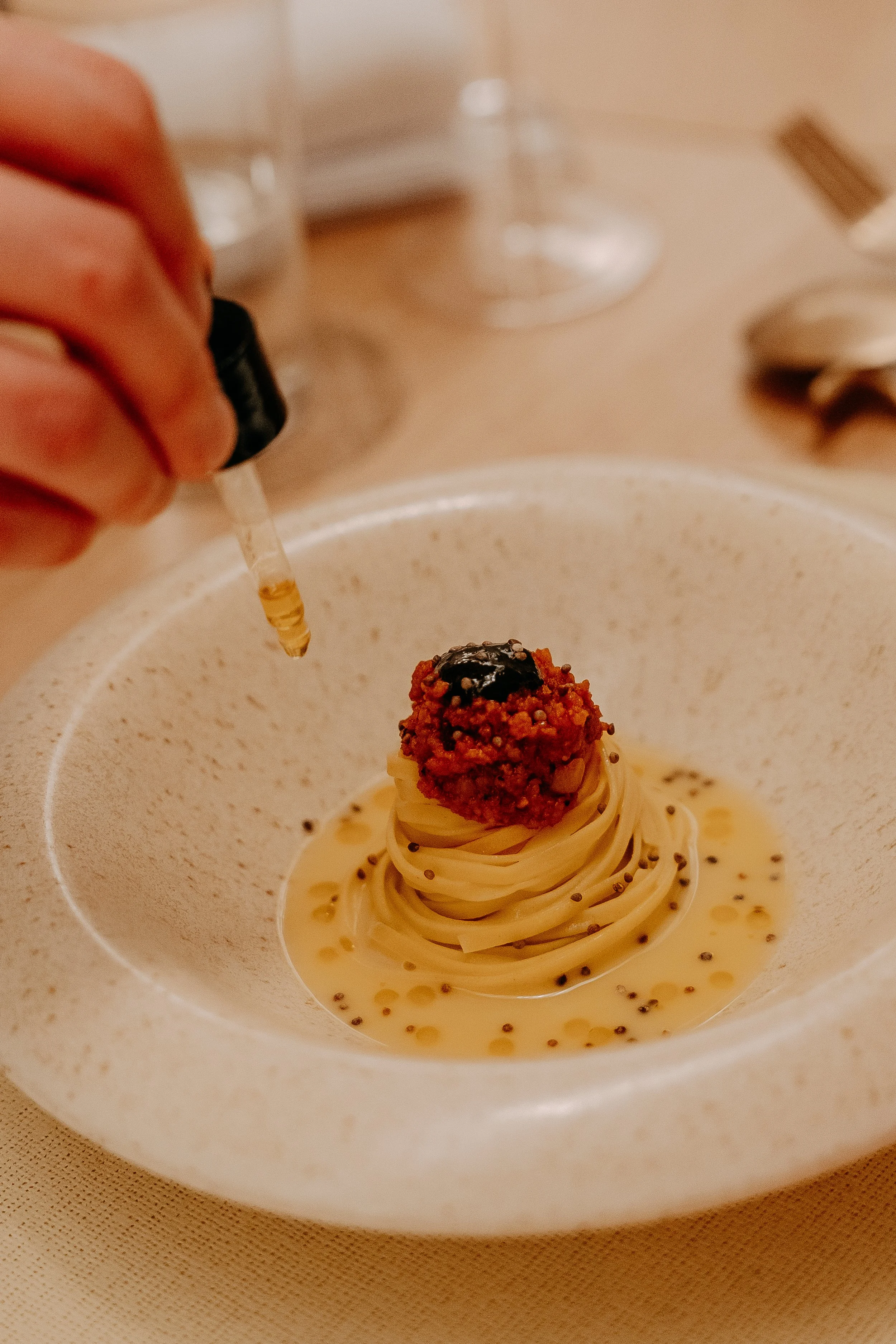
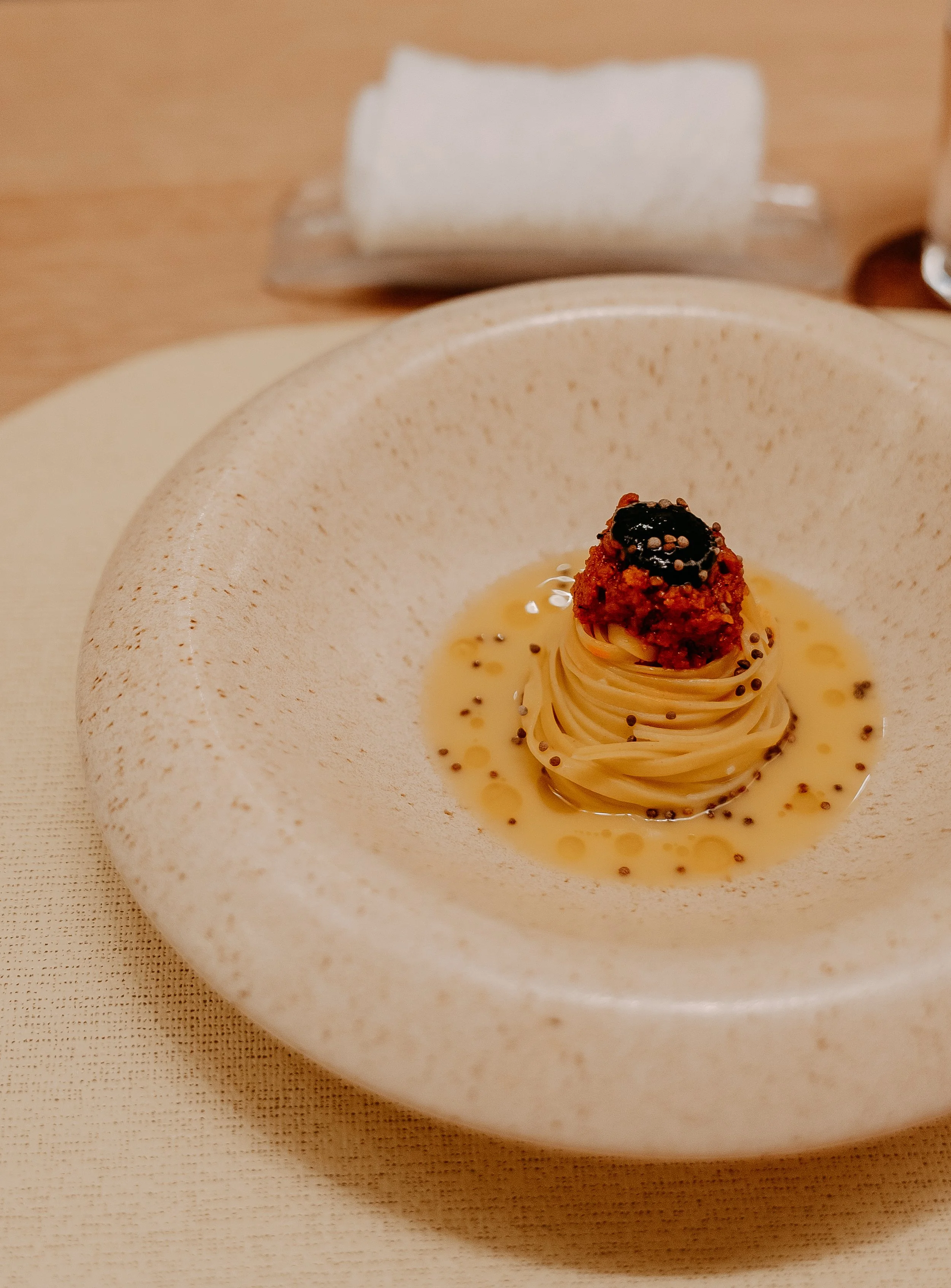
Noodles, the signature: Buckwheat noodles in perilla oil with a Chuncheon-style dakgalbi ragu, seaweed, egg yolk and ground perilla. Nutty, a little spicy, impossible to put down. One bite explains why this is the dish people talk about.
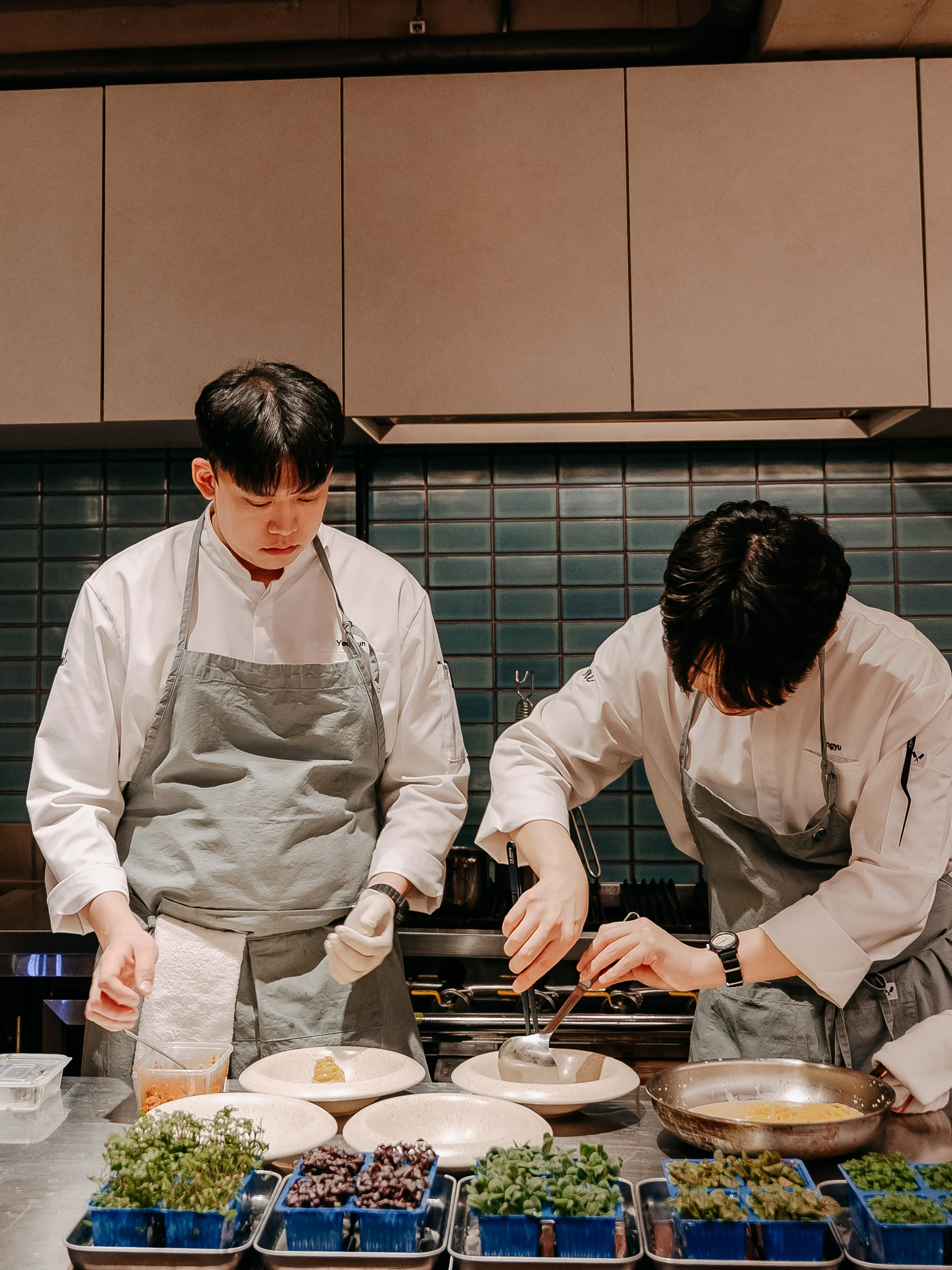
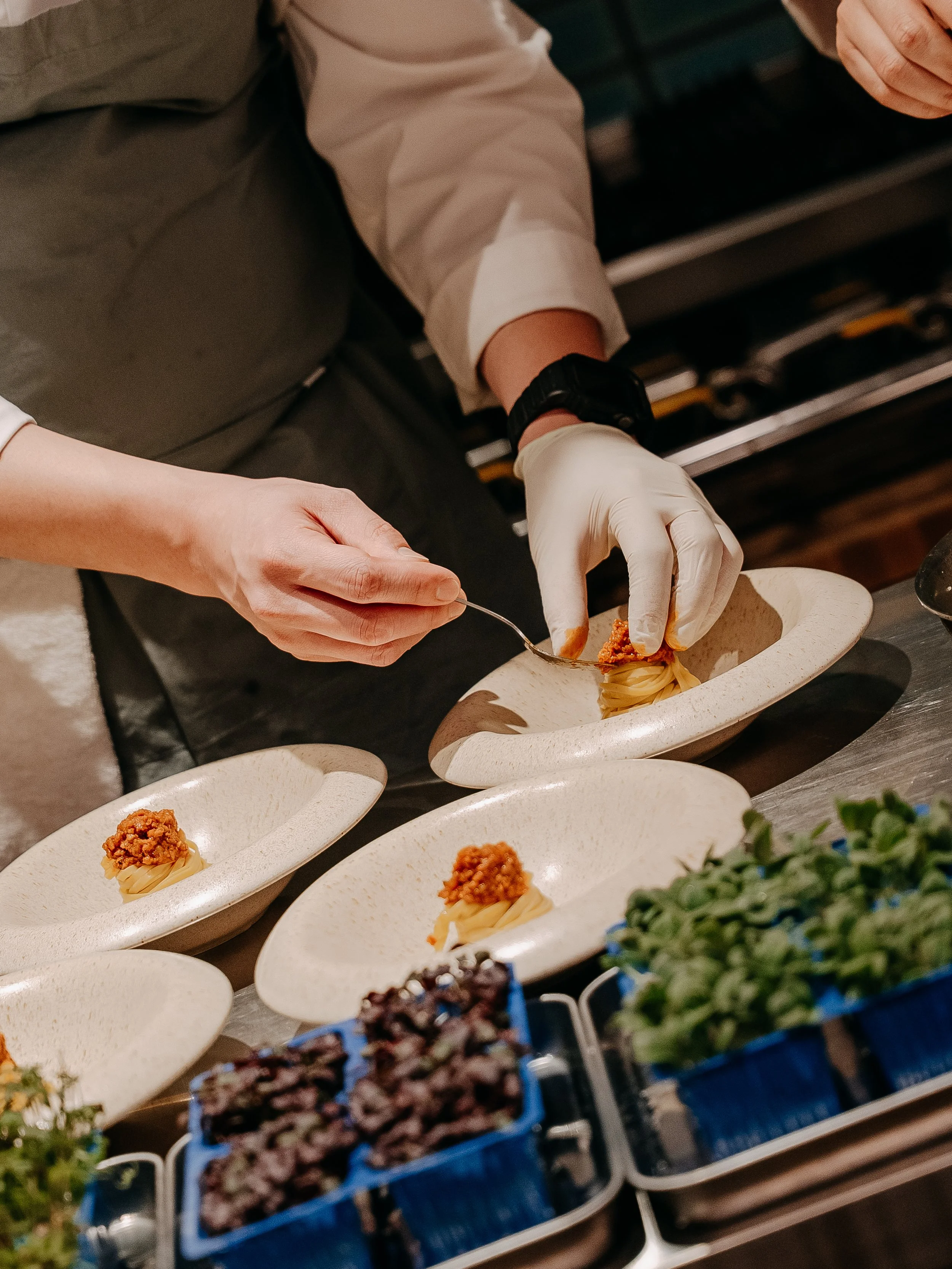
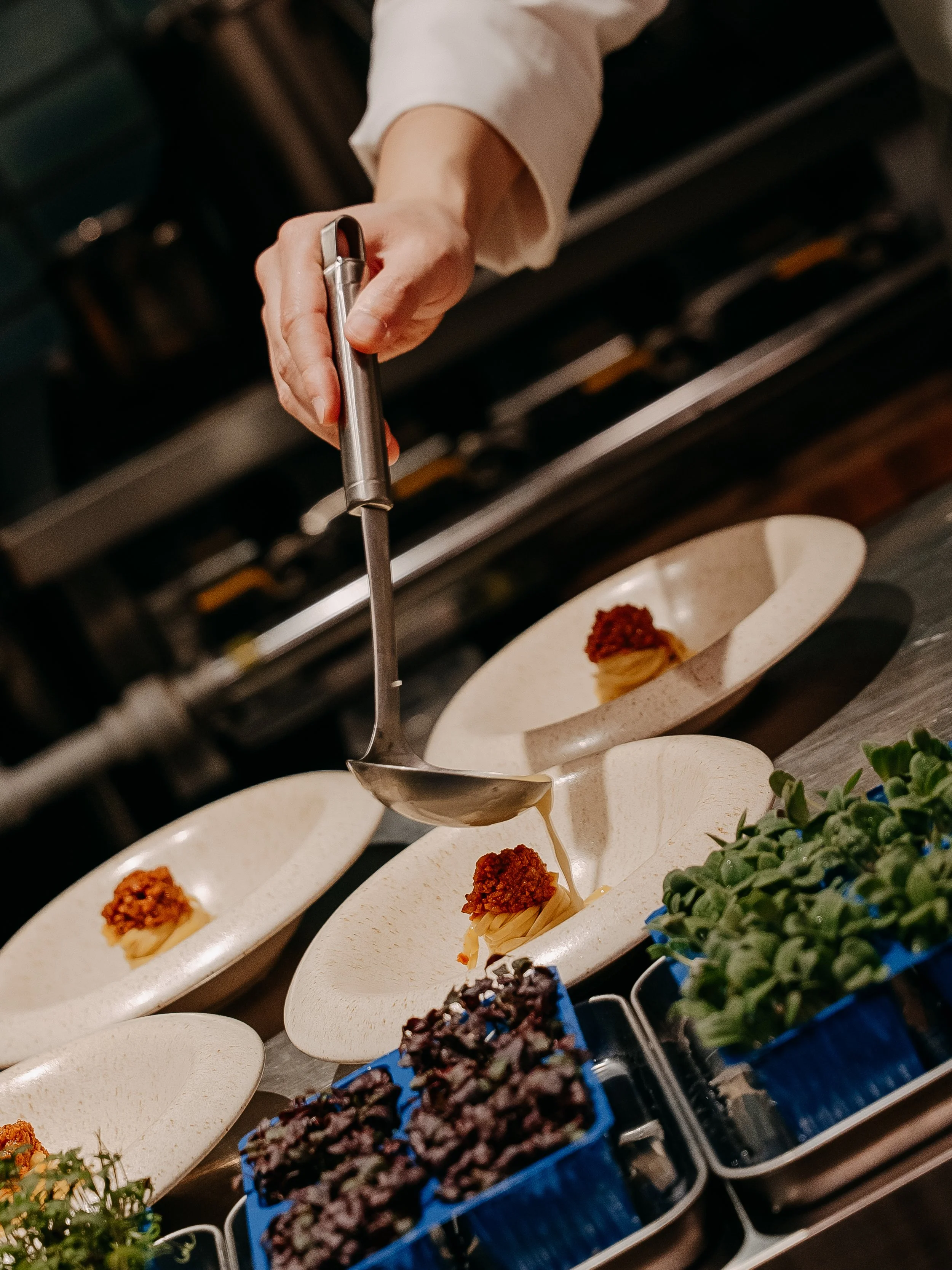
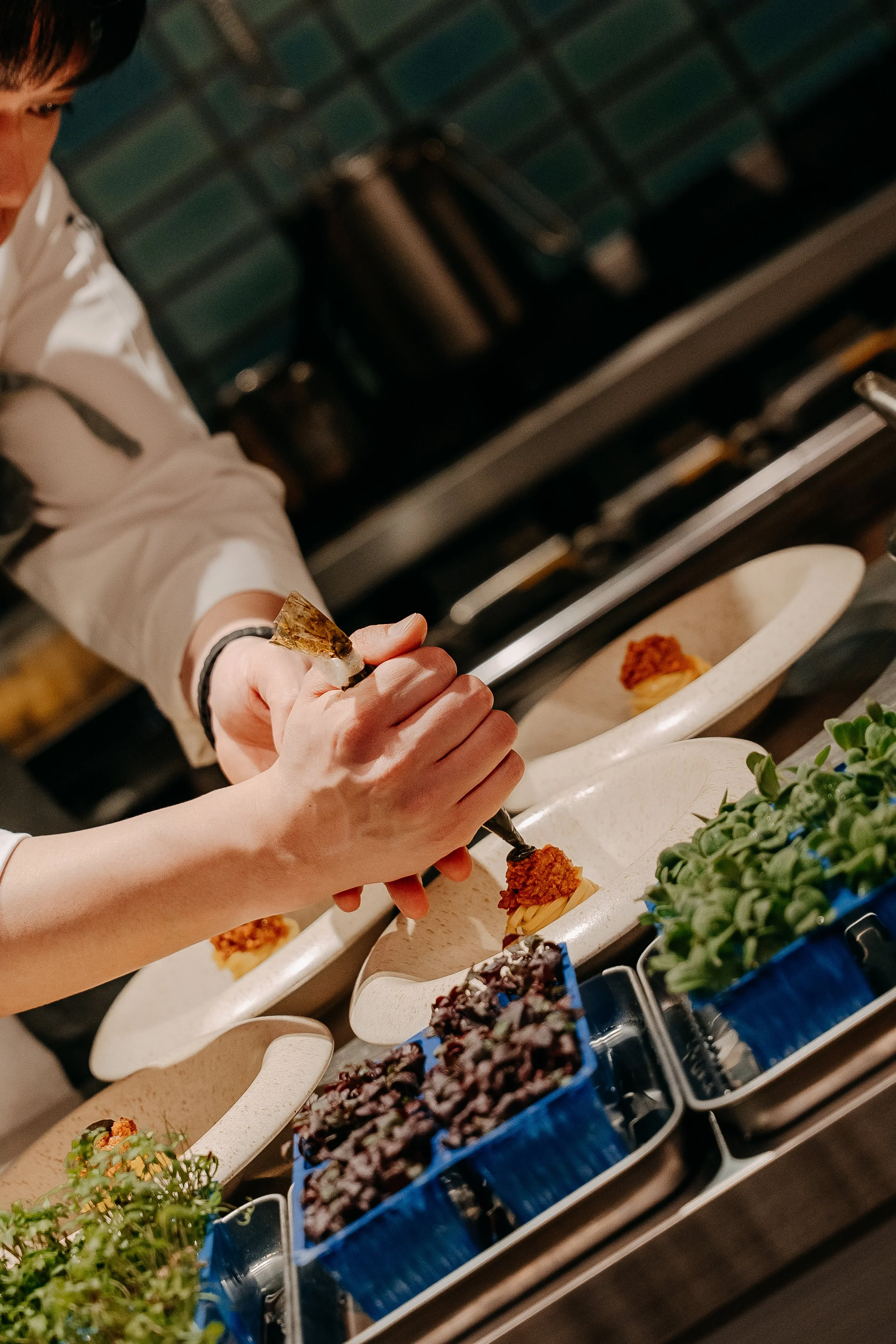
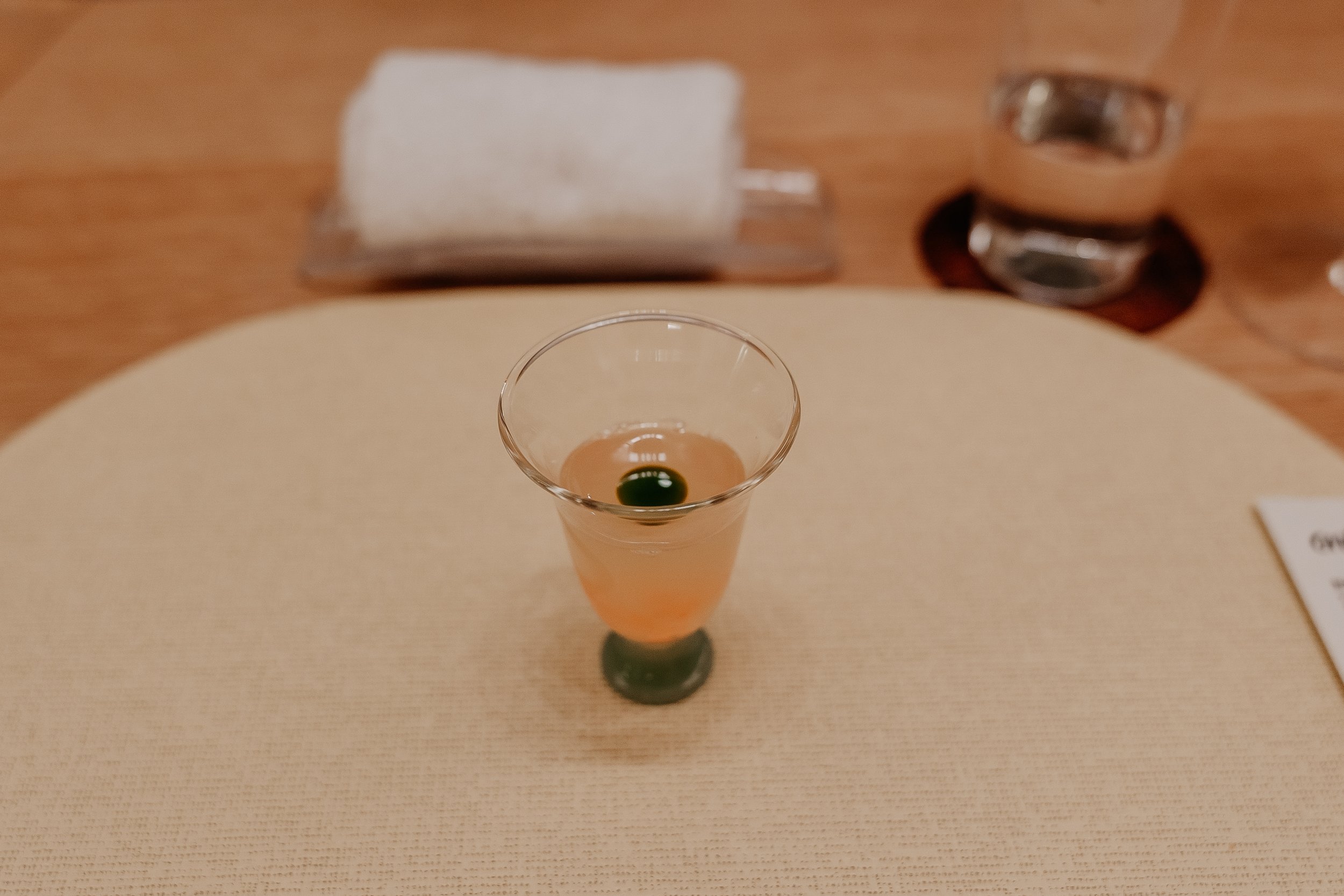
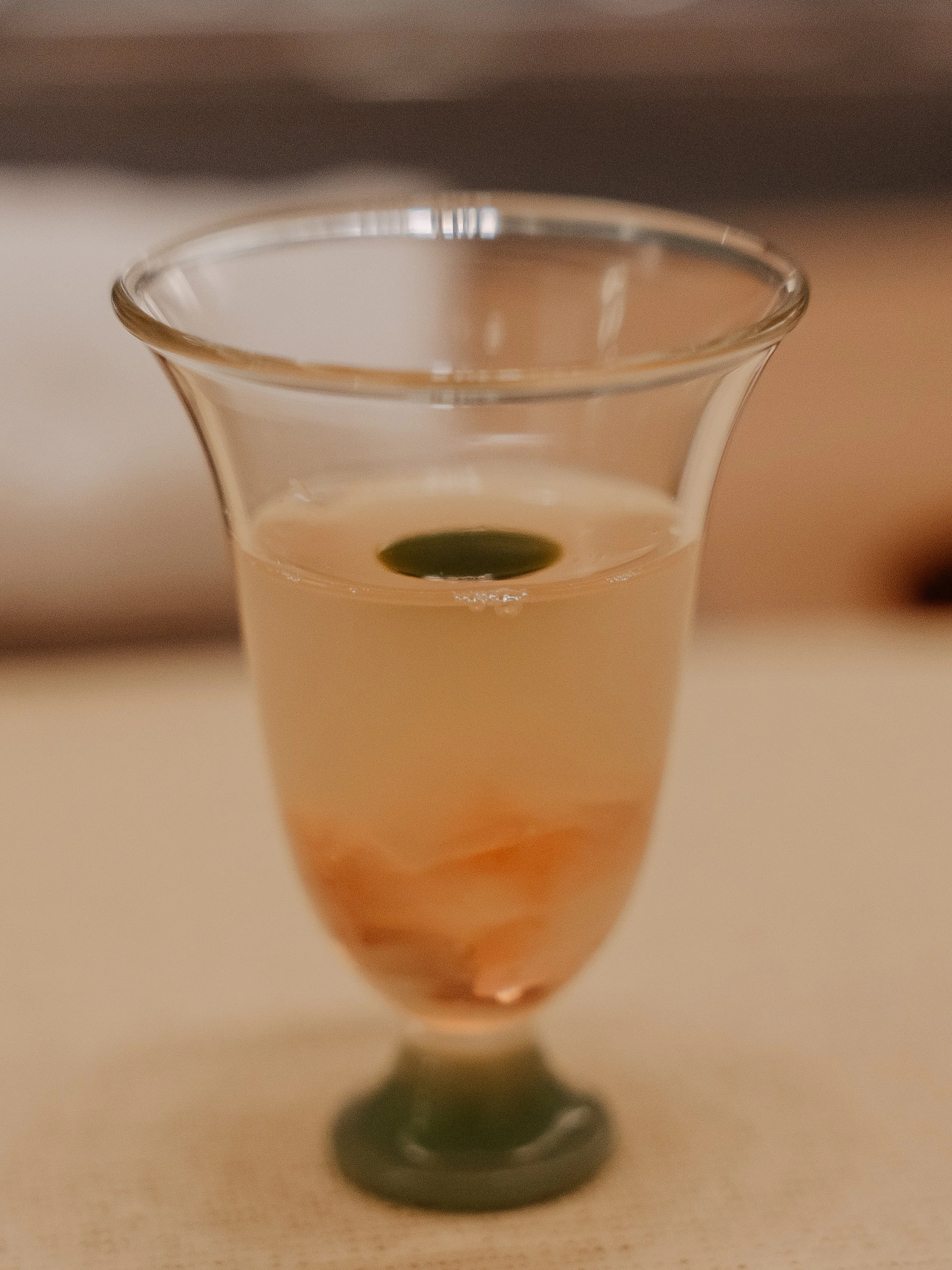
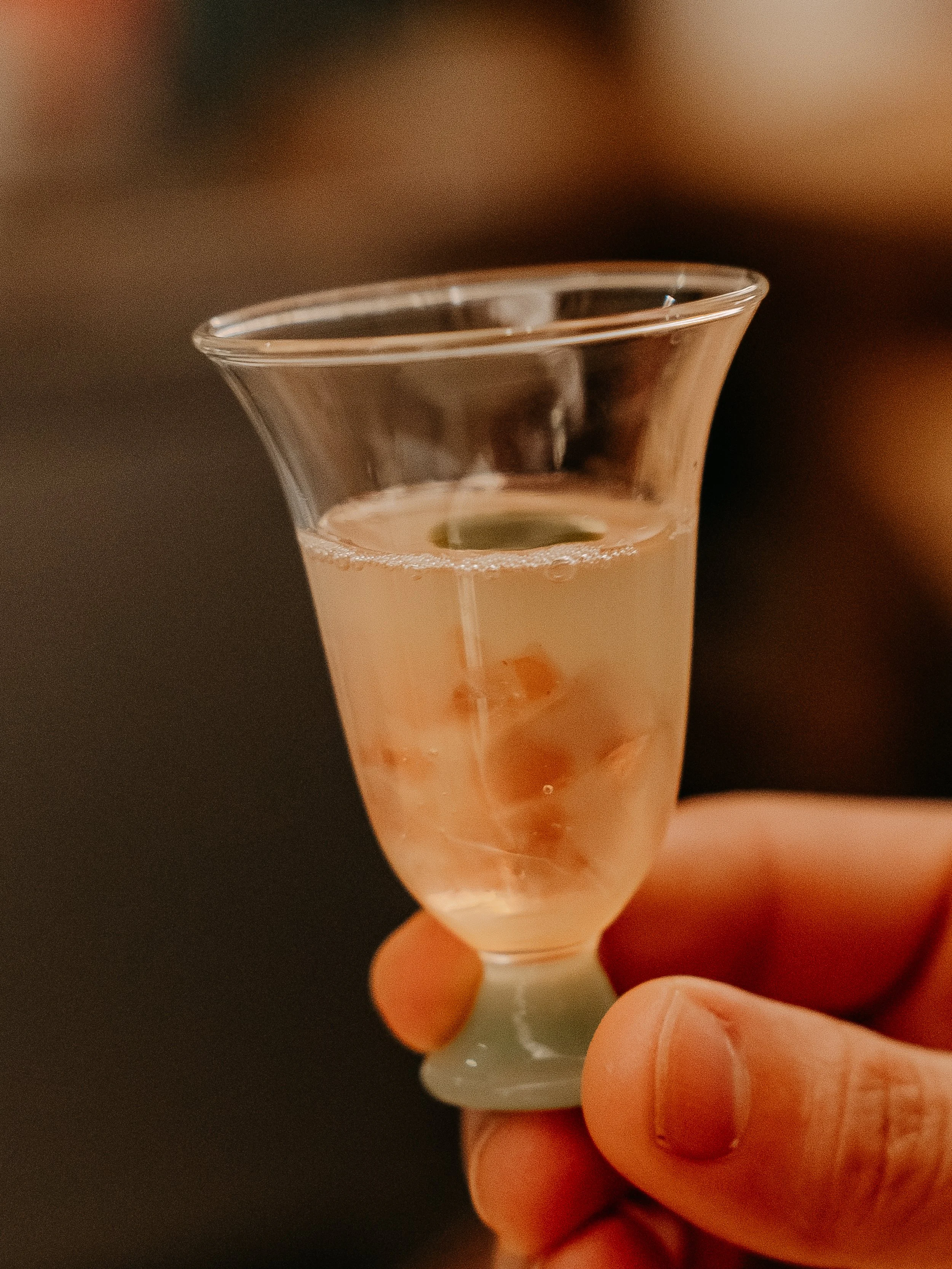
Ieum: Pear, jujube, omija and ginger, served in a small glass. A palate cleanser that works like a comma before the main.
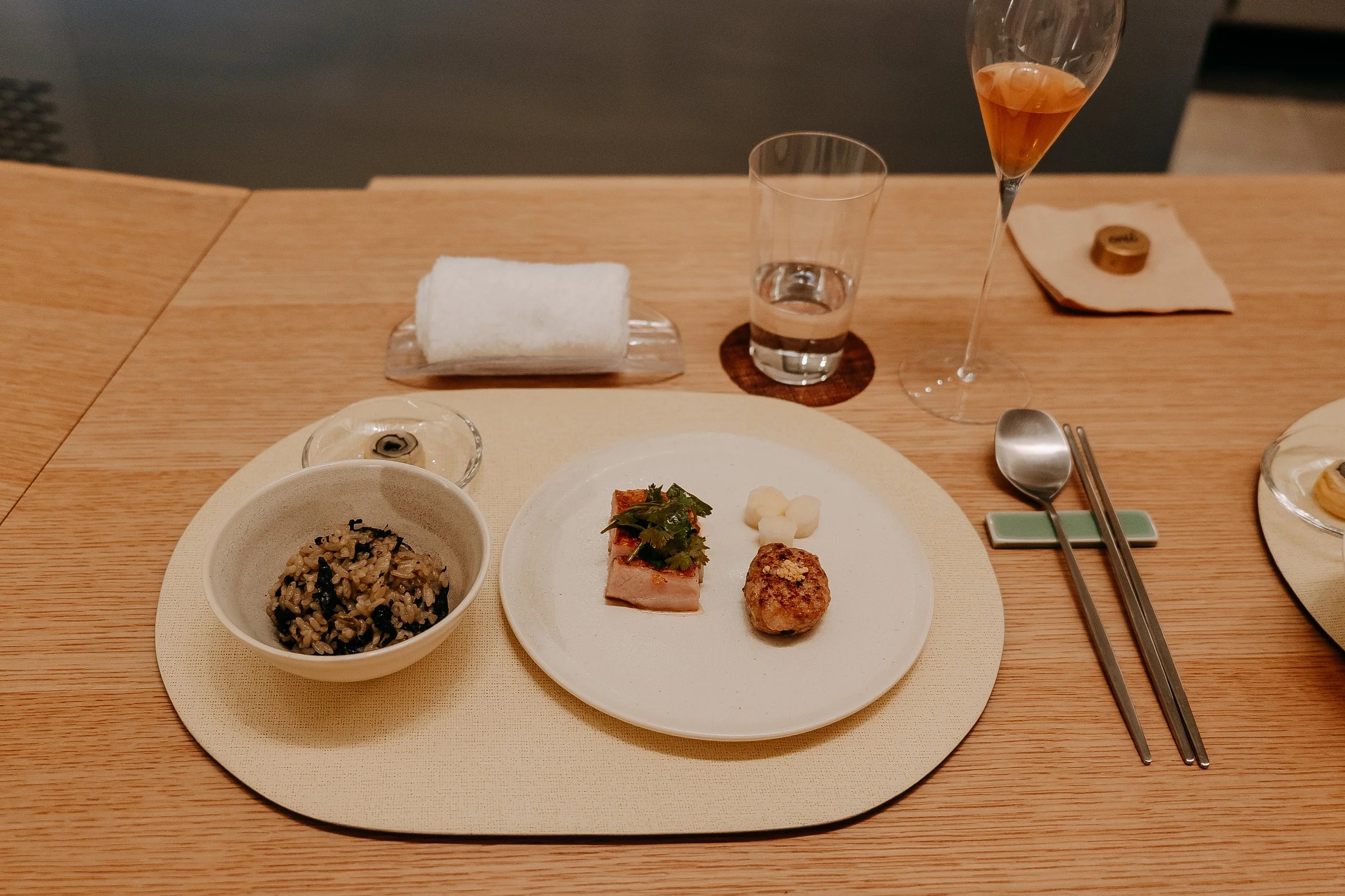
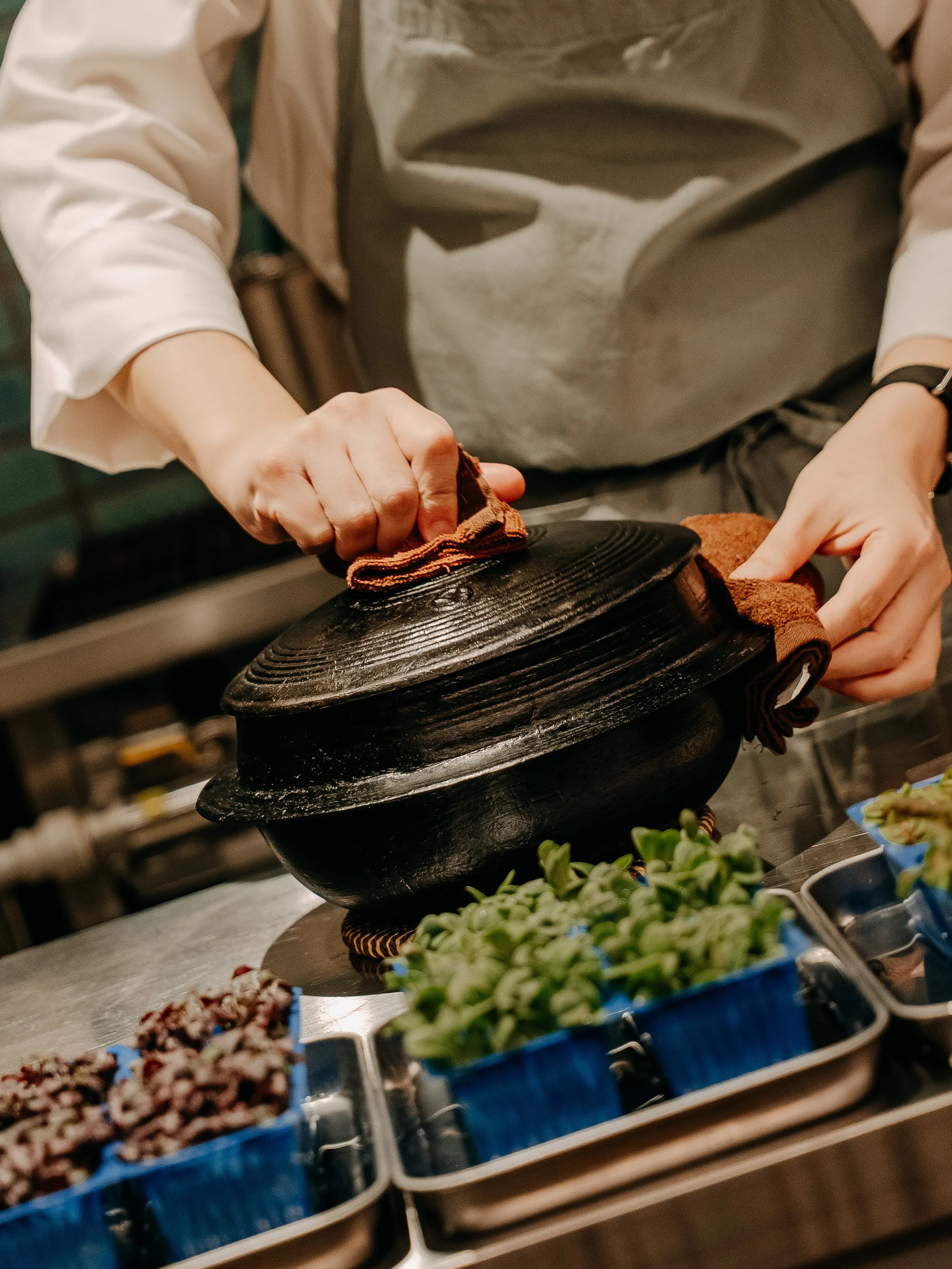
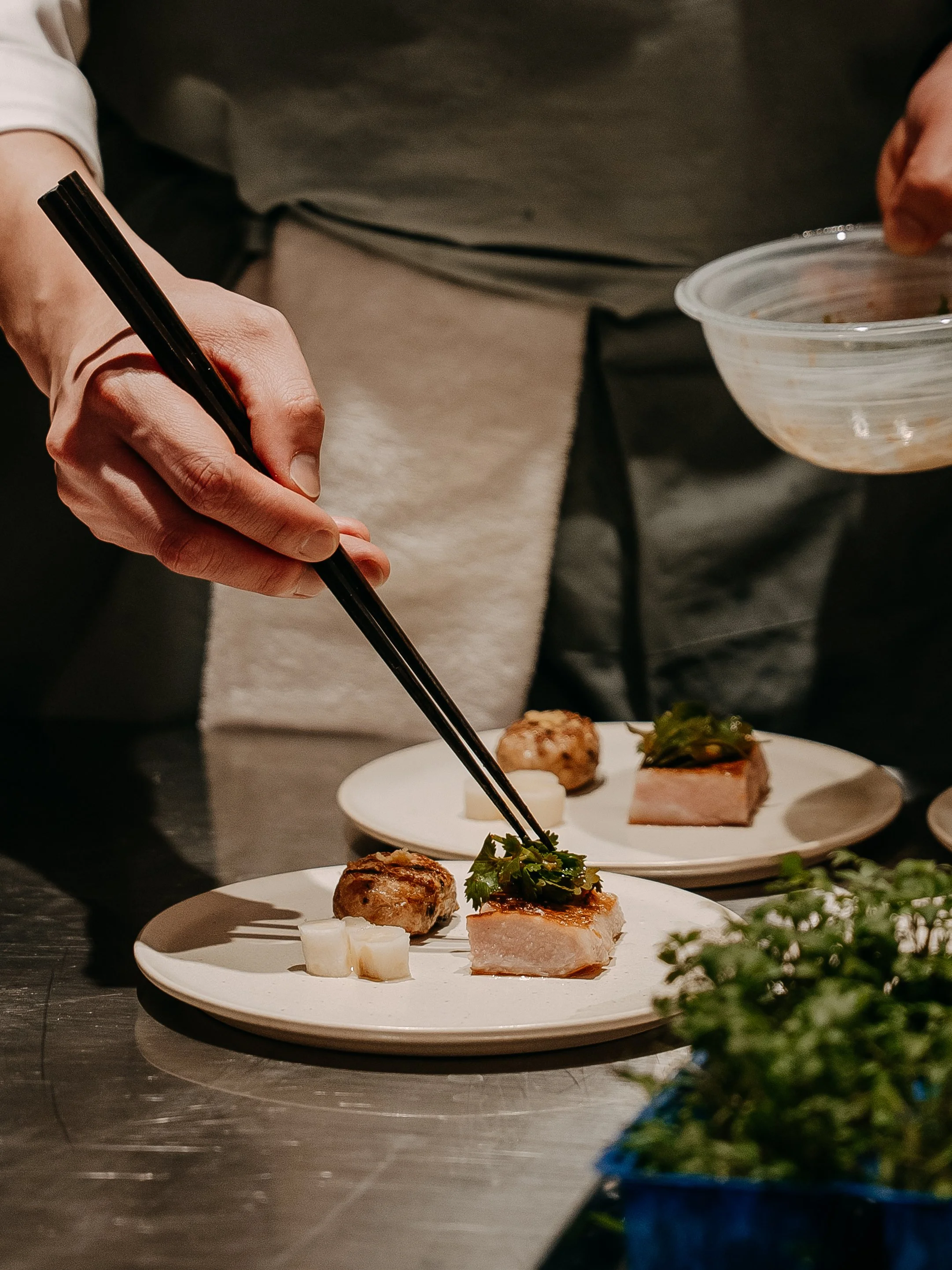
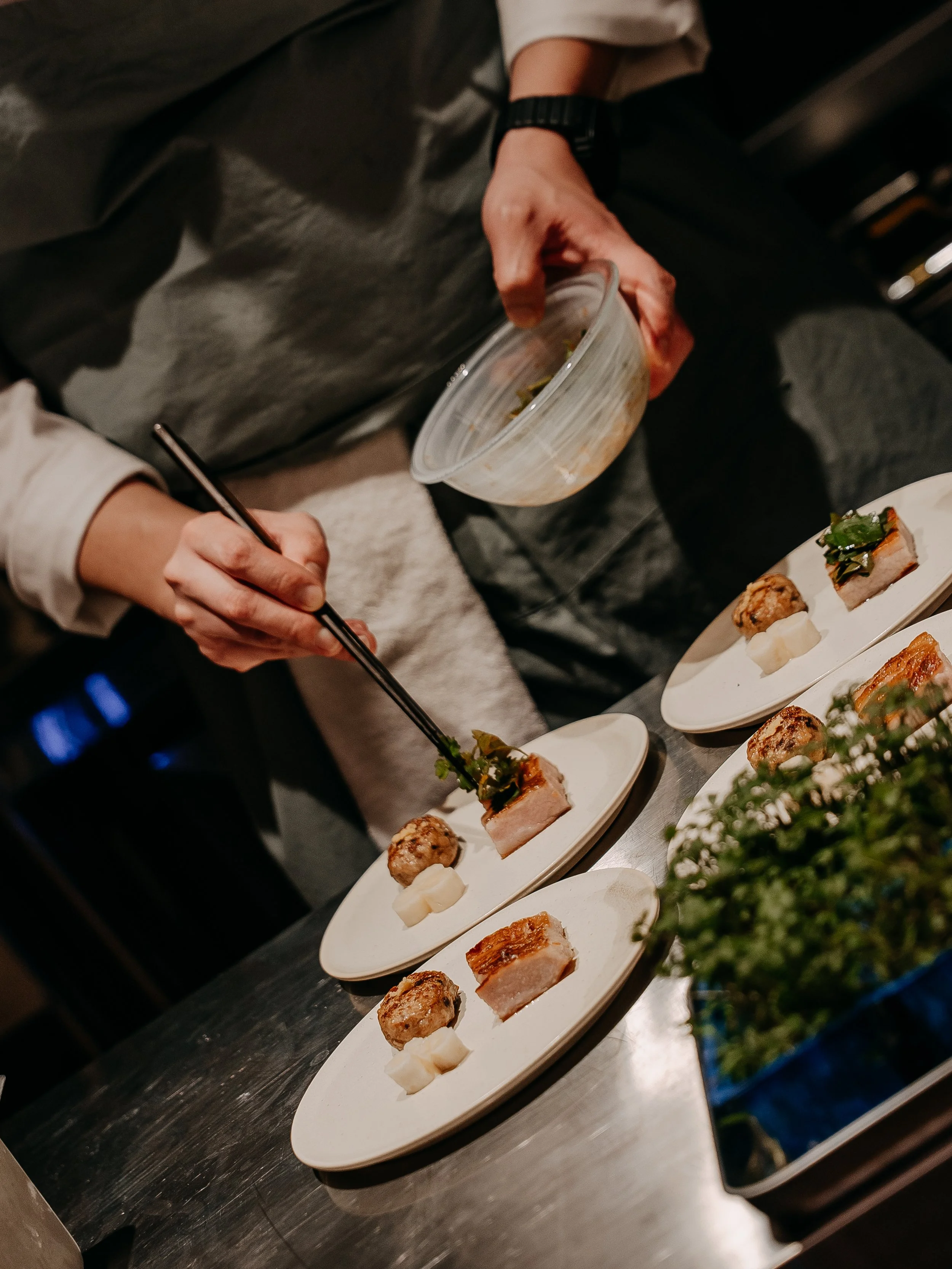
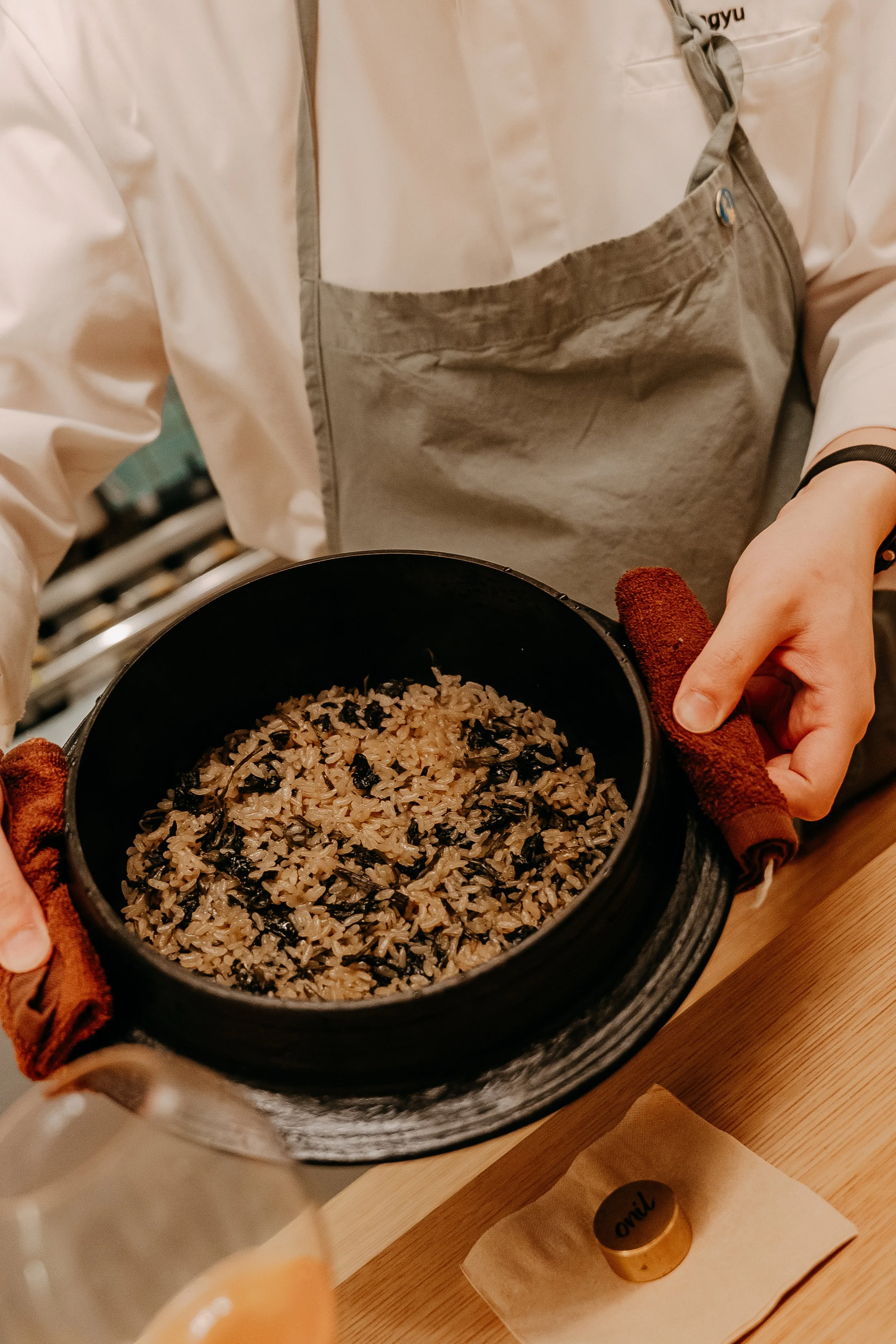
Bansang: The Korean table done properly. Pork jowl, Korean pork tteokgalbi, pine mushroom, deodeok root, coriander, and gondre rice cooked in a gamasot and opened at the pass. Charcoal-scented, generous, immaculately arranged.
Seolhwa: A dessert of silken tofu cream, tomato, black bean and potato. Barely sweet, very soft, surprisingly elegant.
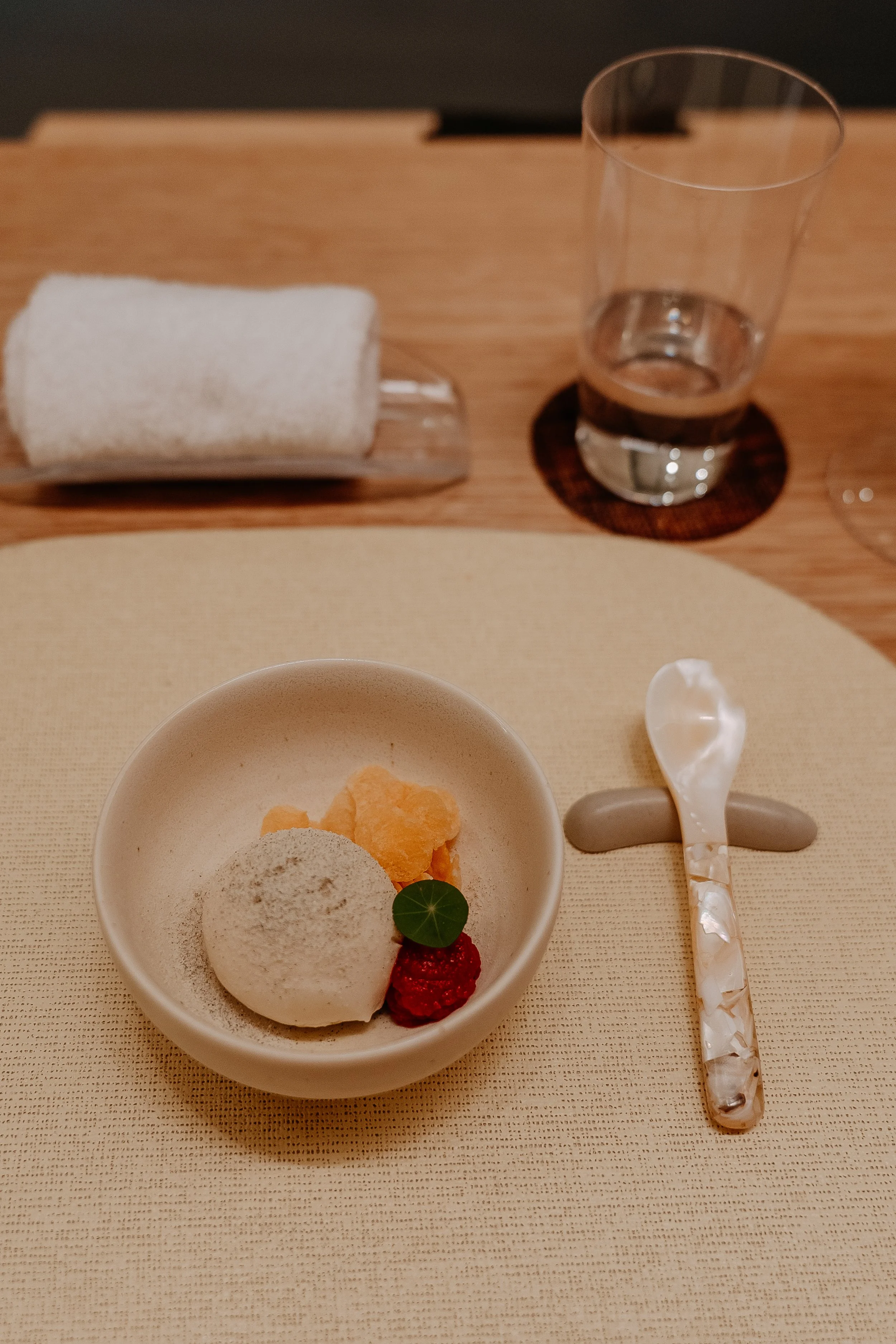
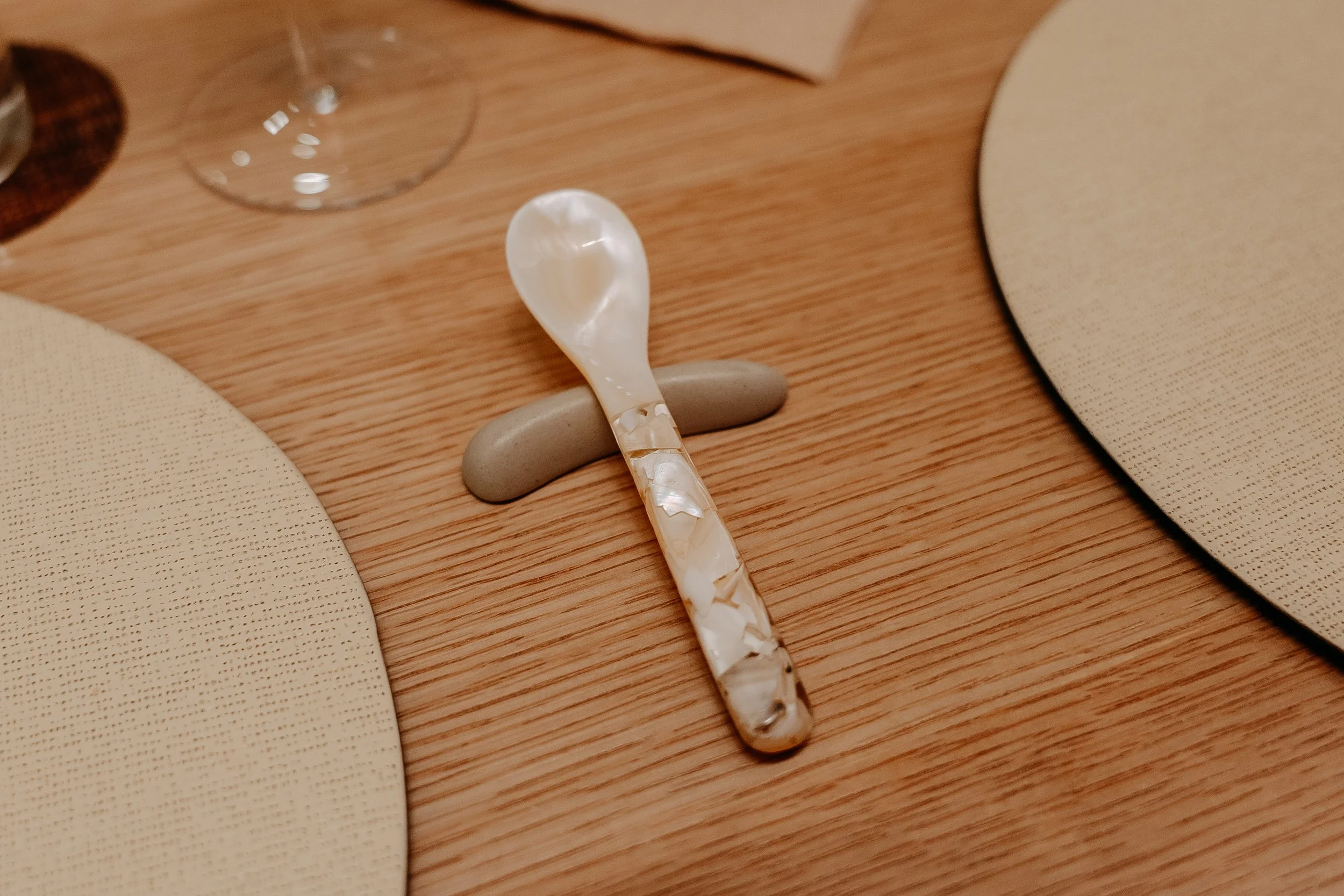
Petit Fours: Mugwort, sweet potato, potato, injeolmi, black sesame and sesame oil, with tea poured into those Gangwon-made cups. A humble, earthy ending that fits the rest of the meal exactly.
Dining at Onil While Pregnant
I mentioned my pregnancy when we booked and did not ask for anything else. On the night, the pairing arrived as non-alcoholic wine, and every course that would normally include raw ingredients, the mulhoe included, came to me cooked. Nobody announced it or made a fuss; it was simply handled, course after course, so I could eat the entire menu without a second thought.
I have eaten at a lot of tasting-menu restaurants. This level of quiet attention is rarer than it should be, and it is worth saying out loud: if you are expecting, or dining with someone who has restrictions, Onil will take care of you.
A November Note
My husband and I were both born in November, which makes it a slightly special month in our house every year. This year Onil made it a better one. We will be back, and next time with family.
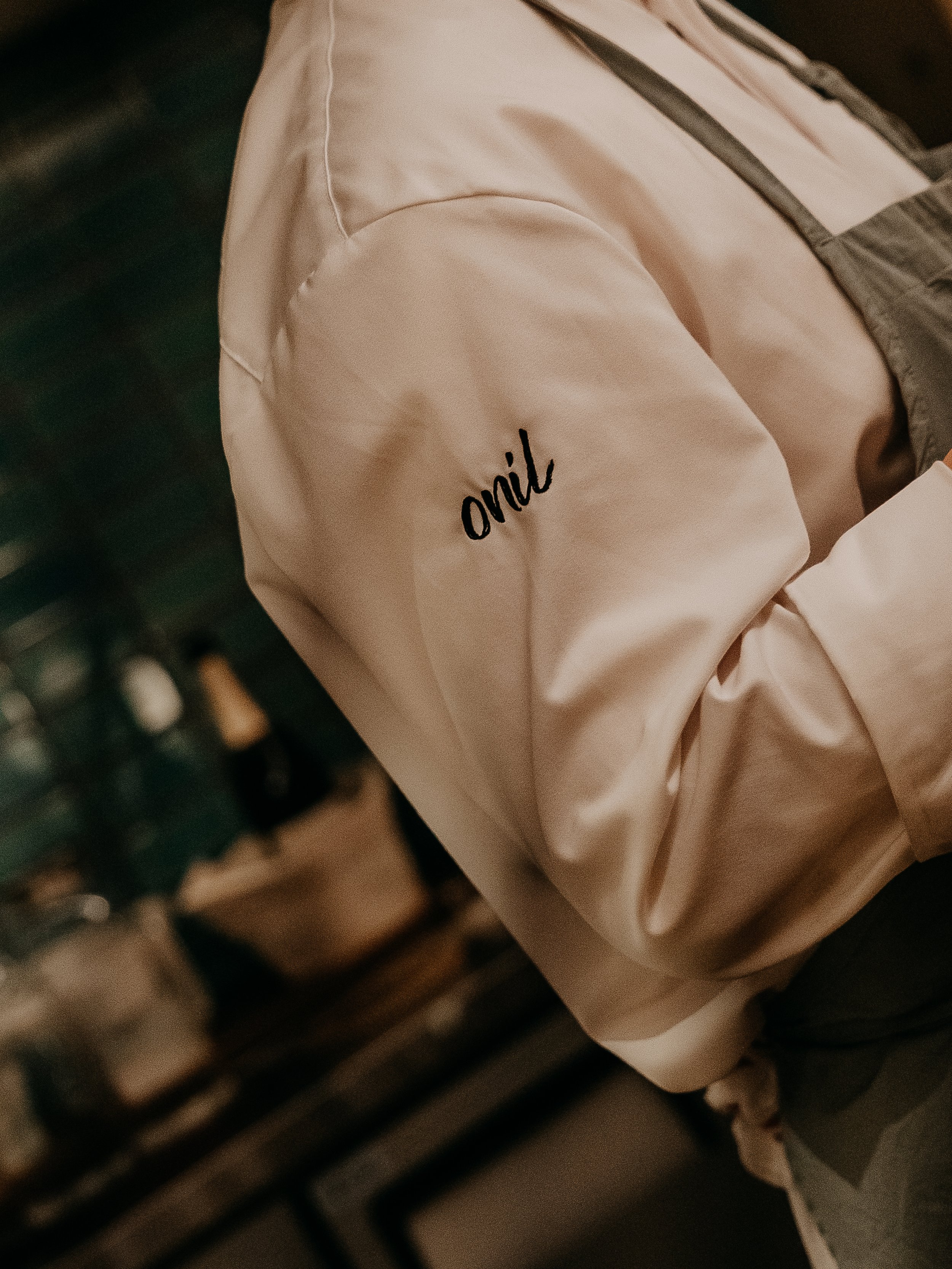
What Onil Taught Me About Photographing Restaurants
A few things I noticed from the counter, written for anyone who runs a dining room and wonders why some restaurants look effortless on camera.
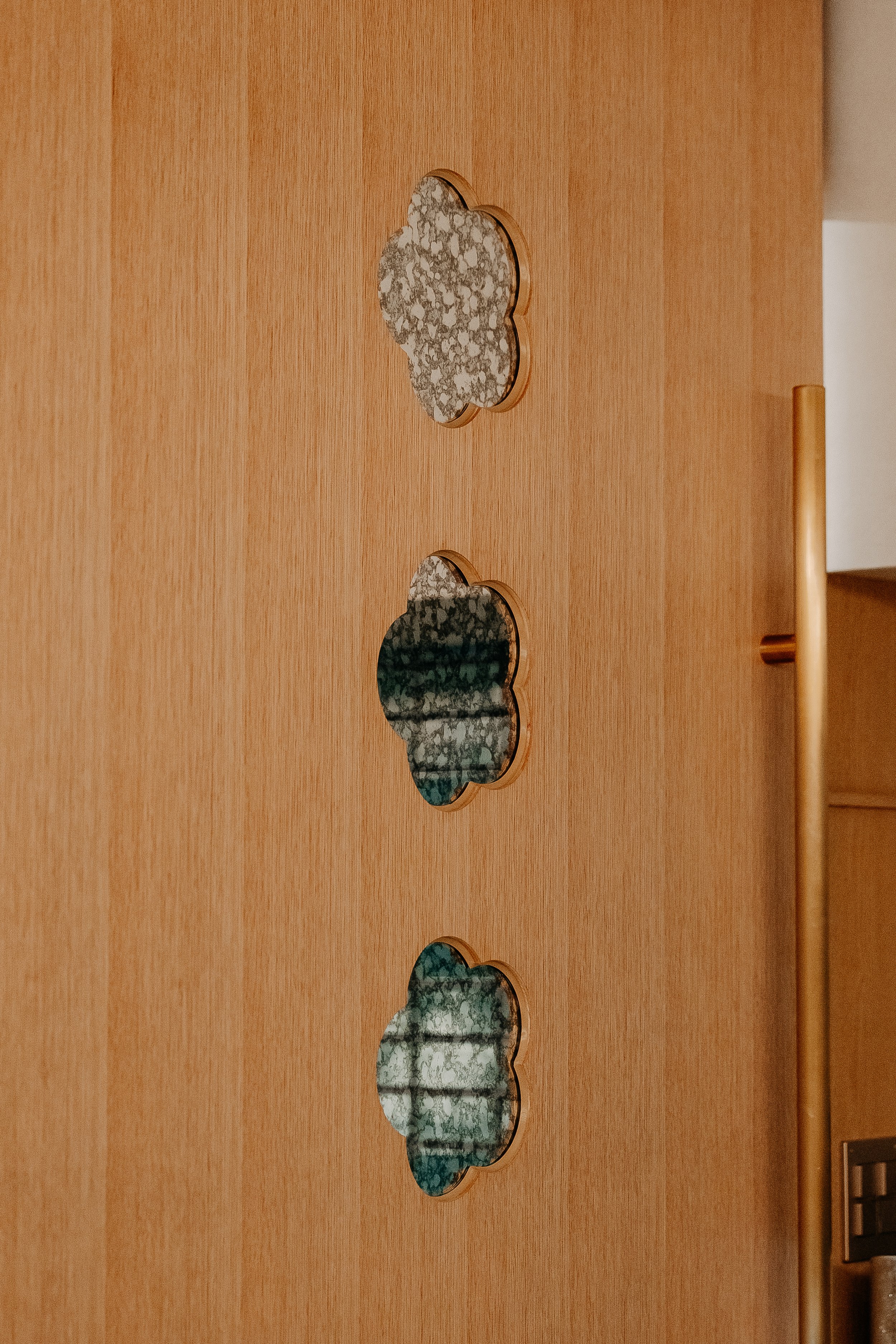
Light first. Onil's hanji pendants are warm, low and diffused, which flatters food, hands and faces at once. Most restaurants fight their lighting during a shoot; here the lighting is the shoot.
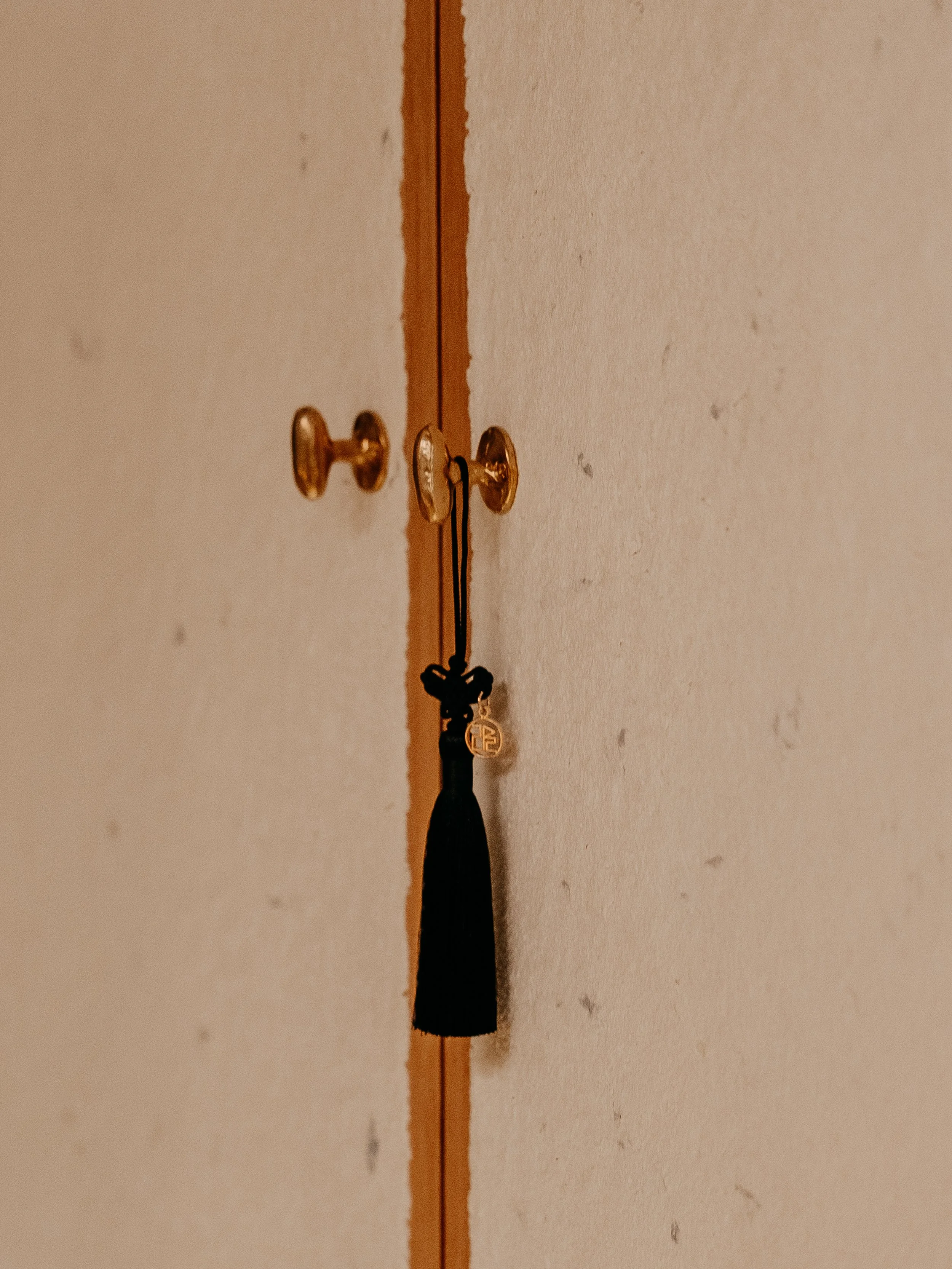
An open kitchen is content. Chefs plating under the pass, a gamasot lid lifted, tweezers over microgreens: these moments carry more story than a finished plate on white. Onil gives you dozens of them a night.
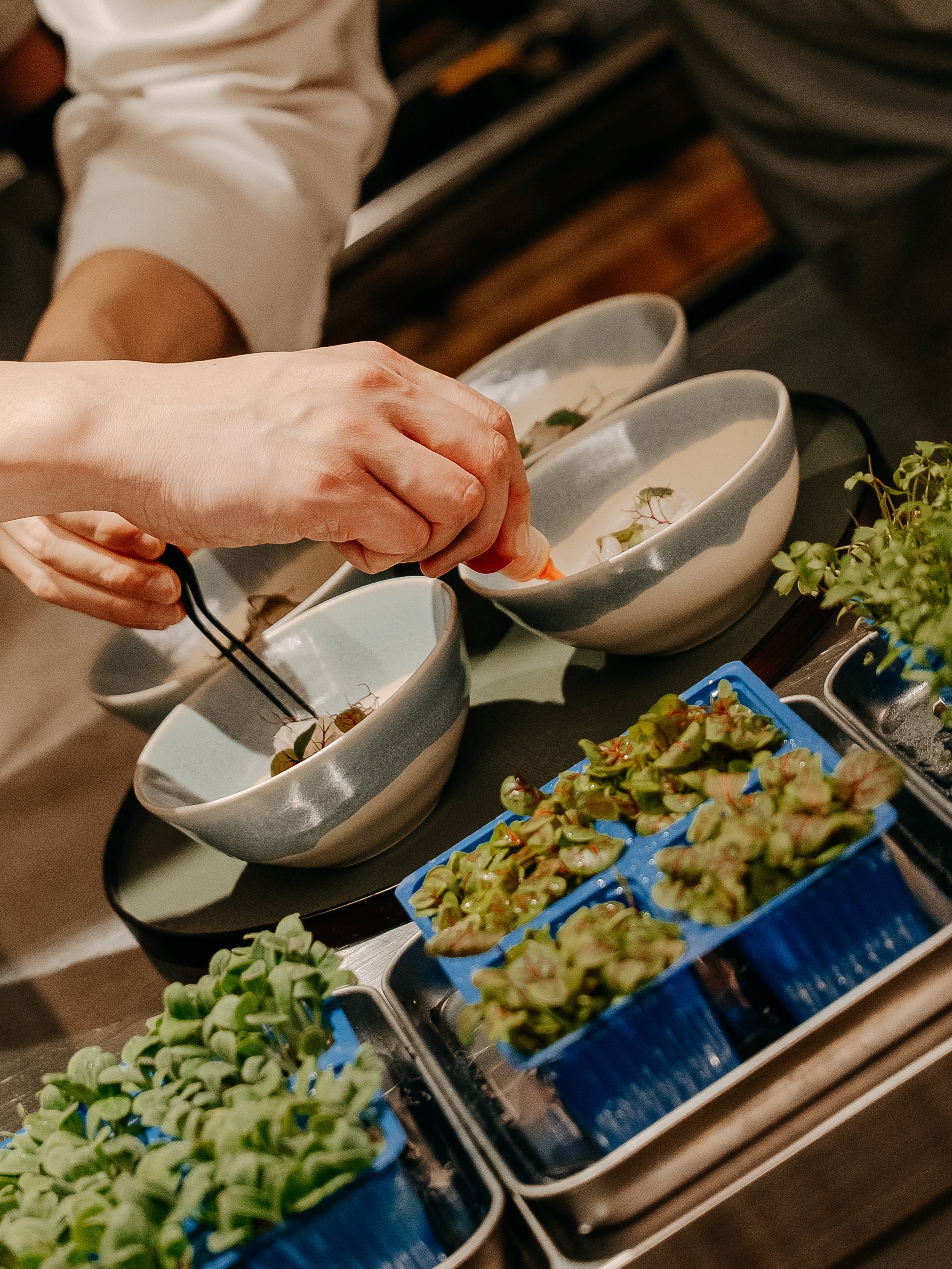
Tableware is branding. The Odense plates and Gangwon cups mean every image is recognisably Onil without a logo in frame. If your restaurant has invested in custom ceramics, they deserve to be photographed as deliberately as the food.
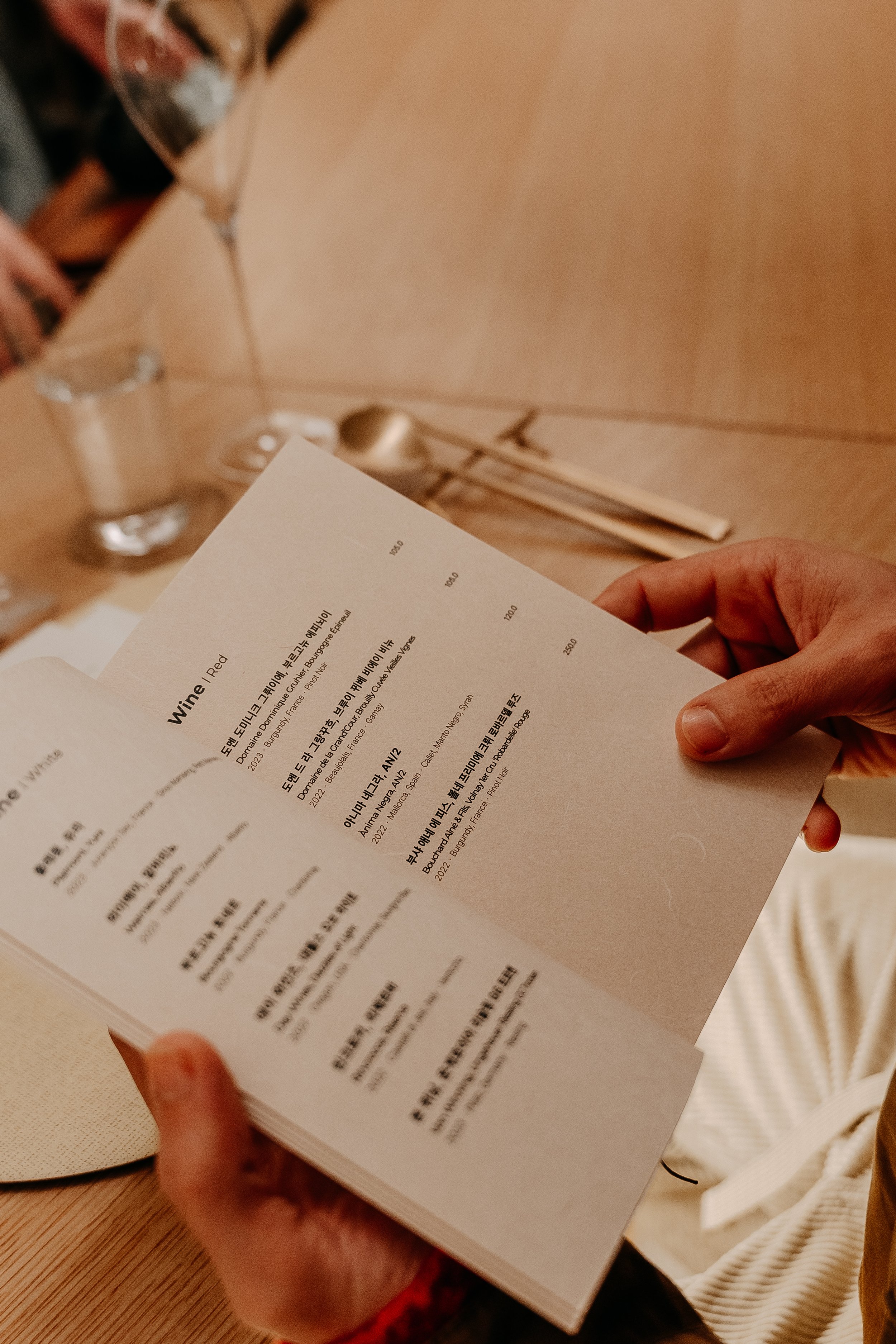
Consistency reads as luxury. Menu paper, lamps, door pulls, trays: one material language, one province. The camera notices before the guest does.
Frequently Asked Questions
Where is Onil in Seoul? Onil is in Yongsan-gu, on Wonhyo-ro 83-gil, within walking distance of Yongsan and Sinyongsan stations.
What kind of food does Onil serve? A modern Korean tasting menu of around ten courses, built on Gangwon-do ingredients such as corn, buckwheat, gondre, trout and pine mushrooms, with premium additions like Dokdo shrimp and hanwoo.
Is Onil good for a special occasion? Yes. The counter seating, the pacing and the storytelling make it well suited to birthdays and anniversaries; we went for ours.
Does Onil offer a non-alcoholic pairing? Yes. Ask when booking and the pairing will be served as non-alcoholic wine.
Can pregnant guests eat at Onil? Yes. Tell the restaurant at booking and the kitchen will serve any raw courses cooked.
How do I book Onil? Reservations are taken through CatchTable.
Photographed by Aayla Lee, AaylaLee.Co ; a hospitality and restaurant photographer based in Seoul, and everything here was shot on a professional camera and edited by me.
I photograph hotels, restaurants and hospitality brands in Seoul and internationally, from tasting menus and open kitchens to suites and lobbies, the way I photographed Onil: in available light, with attention to the details a brand has already chosen. If you would like your space documented this way, you can see more of my hospitality work and get in touch through the Hotels & Restaurants page.
Onil (오닐), 1F, 7-2 Wonhyo-ro 83-gil, Yongsan-gu, Seoul. Reservations via CatchTable.
